
January 15, 2026
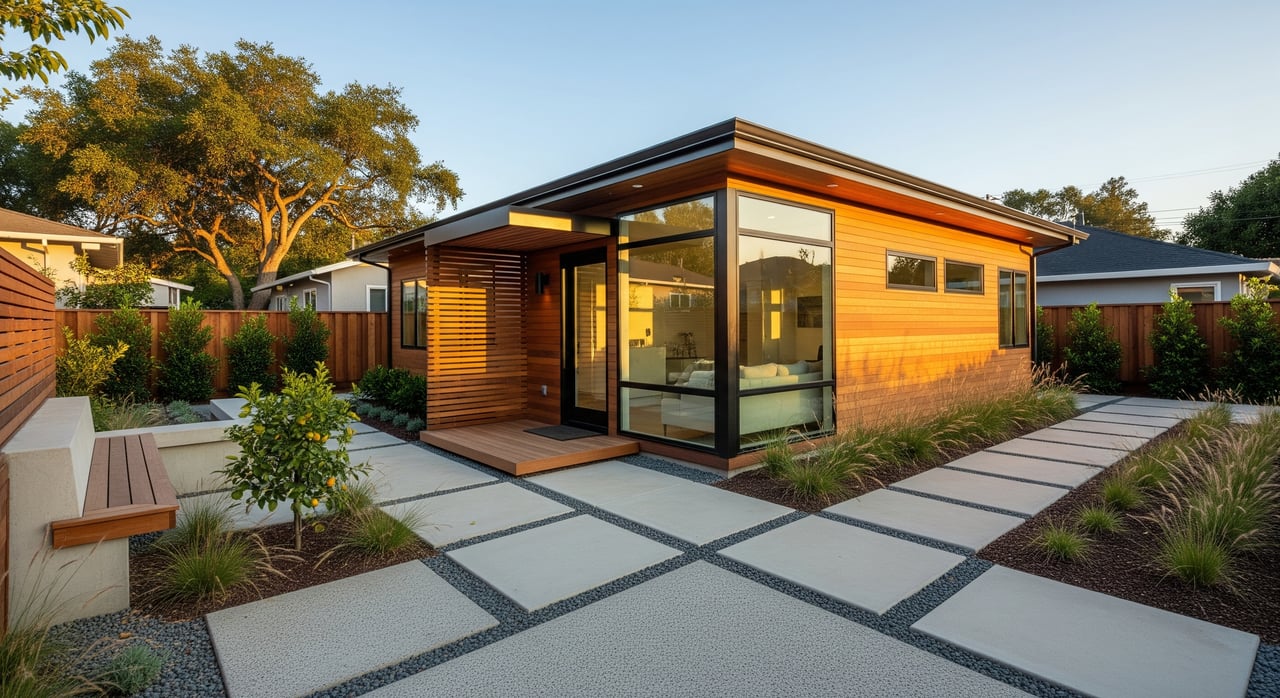
Thinking about adding an ADU to your San Jose home, but not sure where to start? You’re not alone. An accessory dwelling unit can create steady rental income and add flexibility for multigenerational living, yet the path from idea to move-in takes planning. In this guide, you’ll learn the essentials for a confident ADU investment plan: rules, costs, financing, timelines, rental strategy, tax considerations, and a step-by-step roadmap tailored to San Jose and nearby Bay Area cities. Let’s dive in.
An ADU can serve as a long-term rental, space for family, or a future downsizing option on your own property. In today’s Bay Area market, strong rental demand and limited new inventory can support attractive income potential if you design and price wisely. At resale, many buyers value a permitted ADU’s flexibility and income potential.
Keep expectations realistic. An ADU does not always raise your sale price by more than it costs to build. Quality, permitted status, neighborhood, and buyer demand all matter. A permitted ADU generally reduces risk for future buyers and financing.
California law encourages ADUs by setting statewide standards that limit some local barriers and enable many projects to be approved ministerially. Ministerial approval usually means faster decisions without public hearings, as long as your plans meet objective standards. Local rules still govern permits, utility connections, design standards, and short-term rental limits, so always verify with your city before you design.
You’ll see several ADU types: detached, attached, converted spaces like garage conversions, and Junior ADUs within your main home. Parking requirements can be reduced or waived in certain locations, especially near transit, but site constraints may still apply. Short-term rentals are regulated locally and may require registration or be limited.
Tip: Check the City of San Jose Planning and Building guidance first and confirm the current ADU checklist, fees, and whether pre-approved plans are available. Do the same in Oakland, Berkeley, and unincorporated Santa Clara County if your property is outside San Jose.
Budget ranges vary by scope and site. In the Bay Area, recent ballparks include:
Plan for uncertainty. Labor, materials, and permitting are costlier than national averages. Site work, seismic retrofits, or grading can add surprises. Early site due diligence and a 10 to 20 percent contingency are smart.
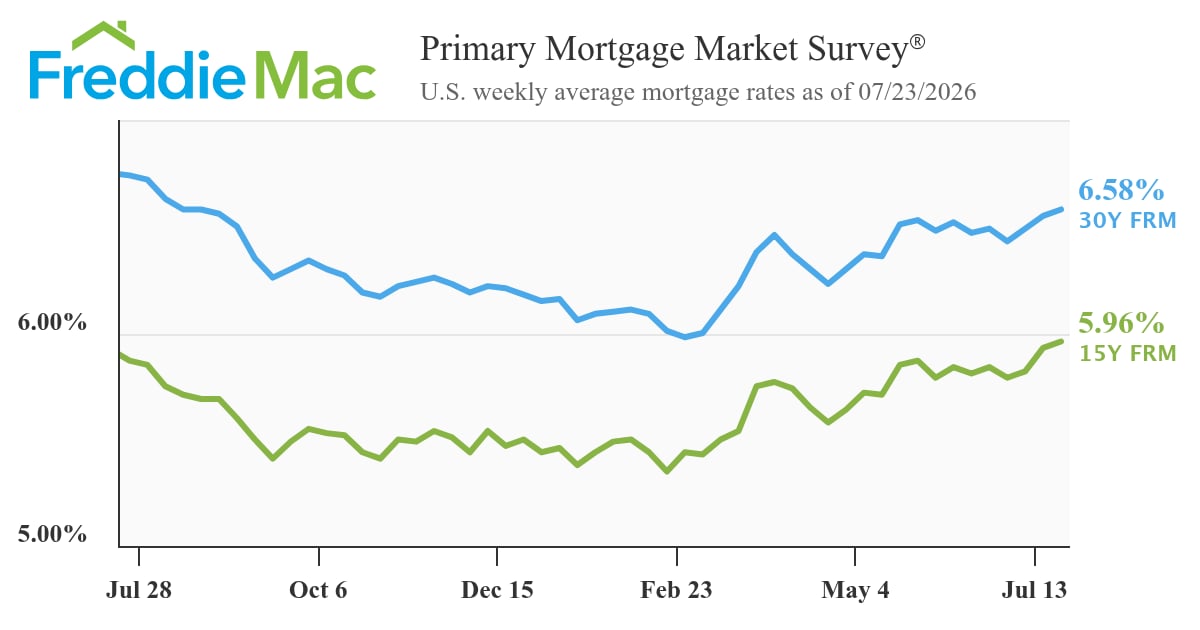
You can fund an ADU with cash, a home equity line or loan, a cash-out refinance, or a renovation or construction loan. Some lenders offer ADU-specific products. FHA 203(k) and Fannie Mae HomeStyle Rehab can fit certain owner-occupied scenarios. Lender rules differ, and some products require owner occupancy or specific underwriting. Speak with lenders early and compare terms.
Use conservative assumptions and include vacancy and ongoing costs. Common metrics include gross rent yield, net operating income, cap rate, and cash-on-cash return.
Here’s a simple illustration:
If you finance part of the project, model mortgage payments and reserves to see cash flow and cash-on-cash returns. Rents vary by neighborhood and proximity to job centers and transit, so compare your ADU to similar 0 to 2 bedroom units nearby.
Build a realistic schedule from day one.
From early feasibility to your certificate of occupancy, many Bay Area projects take 6 to 18 months. Conversions are often shorter than ground-up builds. San Jose may offer pre-approved plans that can speed permitting, so confirm current options.
Adding an ADU is generally considered new construction and can increase your assessed value. The county assessor determines the reassessment, so confirm details with Santa Clara County if your home is in San Jose or nearby unincorporated areas. Rental income is taxable. Typical deductions include mortgage interest, depreciation, repairs, utilities you pay, and management costs. A local CPA can help you plan.
Some cities and counties periodically offer incentives, fee reductions, or pilot programs for ADUs. Availability changes frequently. Check current programs with San Jose and Santa Clara County before you finalize your budget.
San Jose is your starting point for local rules and processes. If your property is in Oakland or Berkeley, confirm city-specific ADU standards and any incentives. Berkeley and Oakland are known for strong tenant protections, which can affect your operating plan. In unincorporated Santa Clara County, rules differ from incorporated cities, so contact the county planning department early.
If you want an ADU for rental income or flexibility, we help you think like an investor. Our team offers investor-focused guidance, neighborhood-level pricing insight, and data-informed home valuations so you can plan your ADU around realistic rents, costs, and resale goals. We serve Silicon Valley and nearby Bay Area submarkets, with bilingual support in Cantonese and Mandarin to keep communication clear for you and your family.
Ready to map your ADU strategy and value impact? Connect with Tony Ngai to request your free neighborhood market report and home valuation.
Stay up to date on the latest real estate trends.

Real Estate
Wait or buy?
Get in Touch to Schedule a Consultation