
February 26, 2026
Trying to decide between Los Altos and Cupertino for your next move can feel like comparing two great options that solve different needs. You want more space, a smoother commute, and a smart long-term buy, but you also have a budget and a timeline. In a market this competitive, clarity saves you time, stress, and money.
In this guide, you’ll see how prices, lot sizes, commute patterns, neighborhood feel, and remodel rules differ between the two cities. You’ll get a checklist to match your goals to the right area plus practical next steps. Let’s dive in.
If your pre-approval lands below about $3.5M, you will find far more realistic options in Cupertino. Product types range from original mid-century ranch homes to updated single-family, plus townhomes and condos in select neighborhoods. In Los Altos, this budget can compete in entry segments at times, but inventory is thin and moves fast.
This is where the two markets overlap, but the tradeoffs are sharp. In Cupertino, you can target larger or more updated single-family homes, possibly in foothill pockets. In Los Altos, this is a competitive band for older homes on larger lots, rebuild candidates, and some modernized properties in less central areas. Specific neighborhood comps matter a lot at these tiers.
Above $5M, Los Altos opens up more choice, including larger parcels and custom builds. Cupertino also has premium new builds and luxury replacements, but Los Altos’ lot size and privacy often lead the value story at the top end.
Los Altos is known for larger parcels and deeper setbacks. The city’s single-family pattern often aligns with R1-10 standards, where minimum lot size is about 10,000 sq ft. You can review the city’s zoning and land use resources to understand how that pattern shapes neighborhoods. See the city’s published map for context in the Los Altos zoning map and references.
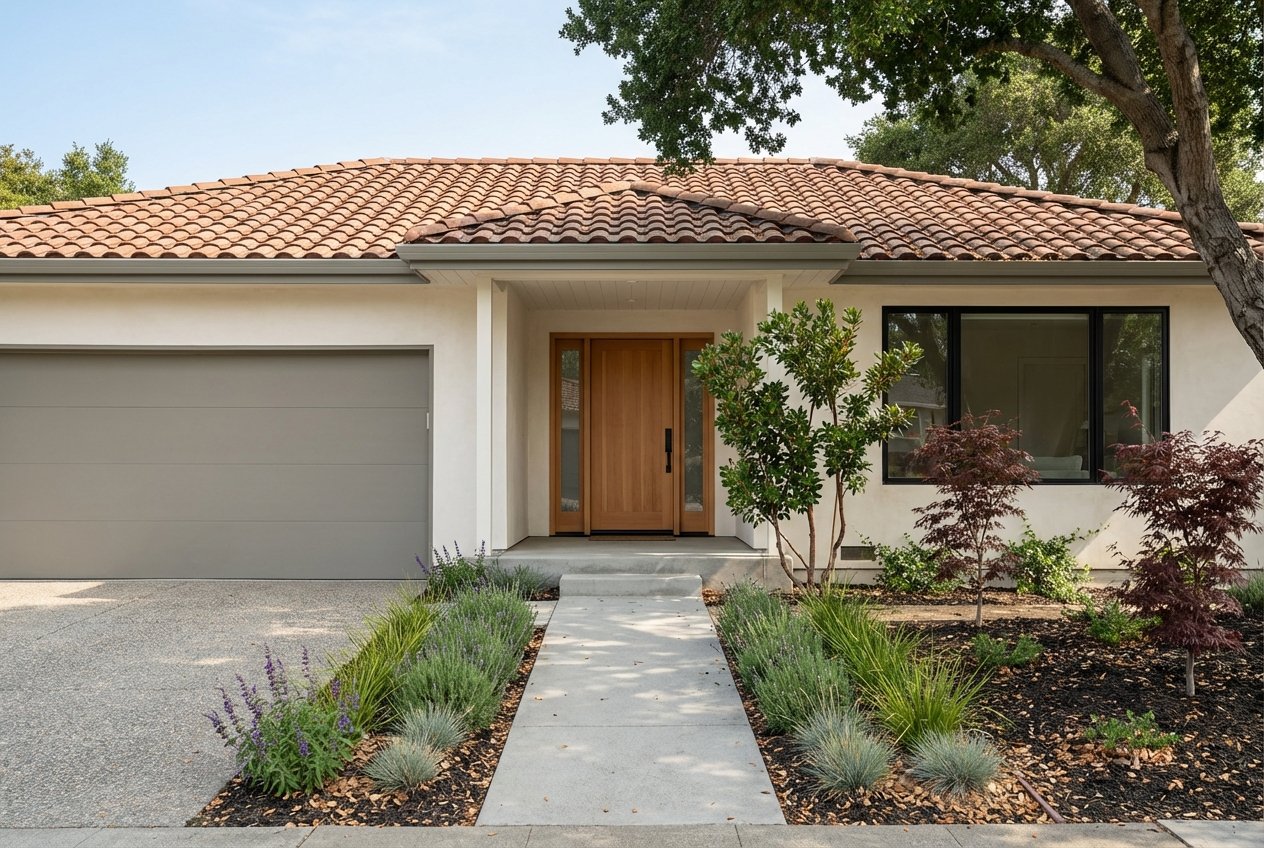
In Cupertino, lot sizes vary more. You will see many postwar tracts with 6,000–9,000 sq ft lots, especially in mid-century neighborhoods, plus larger lots in foothill areas like Monta Vista. If you want a bigger yard without moving to a fully estate-scale parcel, Cupertino has some pockets that thread the needle, but they are not as common as in Los Altos.
Bottom line: If outdoor privacy and side-yard separation are top priorities, you will generally find more of it in Los Altos. If you value a specific mid-century look, or want to optimize price-to-space, Cupertino offers attractive options at lower price points on average.
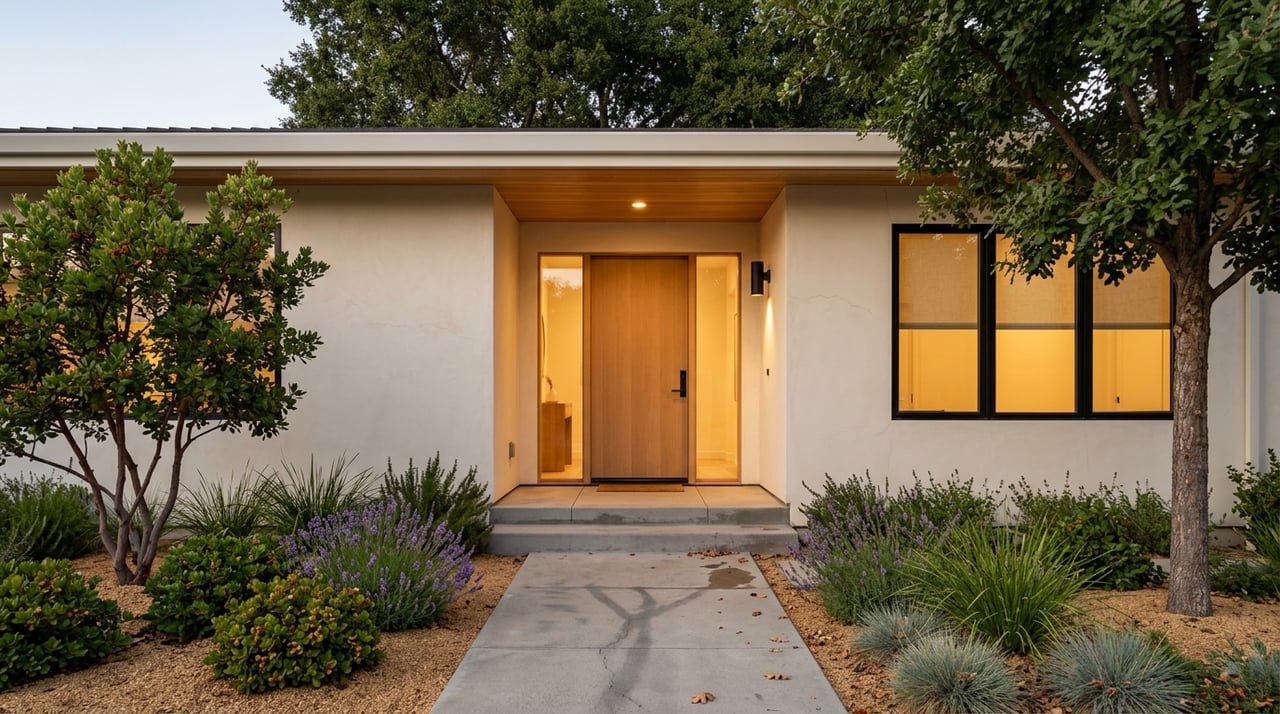
Los Altos reads as quiet and green, with tree-lined streets, larger yards, and a mix of older bungalows, ranch homes, custom rebuilds, and a smaller number of mid-century modern examples. The garden and yard feel is a key draw for move-up buyers seeking more breathing room.
Cupertino offers more internal variety. You will find compact mid-century tracts, postwar ranch neighborhoods, denser pockets near retail corridors, and foothill streets with larger lots. Certain neighborhoods have design guidance that encourages preservation of mid-century character, which shapes what additions look like.
Tip: Tour at least two micro-areas in each city. Street-by-street differences are real, and you will likely feel a clear preference after a few focused drives.
Both cities put you inside Silicon Valley’s core, near I-280, SR-85, Foothill Expressway, El Camino Real, and Stevens Creek Boulevard. Cupertino can reduce drive times to Apple Park and nearby corridors. Los Altos can shorten trips to Mountain View and Palo Alto employers.
Neither city is a heavy-rail hub. Los Altos does not have a Caltrain station in city limits, so most residents drive to Mountain View or Palo Alto stations. Cupertino is served by VTA bus routes with connections to regional rail; see an overview on the Cupertino, California page for transit context.
Expect wide variability based on time of day. Off-peak can be quick. Peak-hour travel often doubles. If a specific campus matters, map live drive times for your exact windows before you choose a neighborhood.
Planning to add space or modernize? The rules differ by city and even by neighborhood overlay.
Takeaway: If you are buying for a large future expansion, budget for professional planning early. Understanding what is feasible on a specific parcel can save you from overpaying for a lot that cannot deliver your target program.
Los Altos properties command high absolute prices and are supported by large-lot appeal. Inventory is thin at the top, so the pool of qualified buyers can be smaller in some tiers, which may affect time to sell. Cupertino offers more product variety across a wider price band, which can create broader buyer pools at comparable price points.
No matter the city, pricing precisely to neighborhood comps and presenting the home well are the two biggest levers for a smooth sale.
Use this quick rubric to focus your search:
You want a bigger yard and a quieter street. You also plan a future addition. Focus on Los Altos for larger parcel options and a more private feel. Vet expansion feasibility against local FAR and setback rules before you bid.
You want mid-century style near retail and the Apple corridor. You prefer a single-story with an indoor-outdoor flow and are open to a smart remodel. Target Cupertino’s mid-century tracts and foothill pockets. Watch overlay guidance if you plan a second story.
You want the best price-to-space ratio within 20 minutes of both Mountain View and Sunnyvale off-peak. Start with Cupertino to maximize options in the $2.7M–$3.5M band, and keep an eye on border neighborhoods.
If you are weighing Los Altos against Cupertino, you do not have to decide alone. A local, data-informed plan will save you weeks and help you write the right offer the first time. For a tailored short list, recent comps, and parcel-level build guidance, reach out to Tony Ngai to get started.
Stay up to date on the latest real estate trends.
Real Estate
Wait or buy?

Get in Touch to Schedule a Consultation