
February 5, 2026
Wondering if a condo or a house in Palo Alto is the smarter move for you right now? You are not alone. Many Silicon Valley buyers weigh space, commute, and budget while watching a fast-moving market. In this guide, you will compare property types, costs, lifestyle fit, and resale outlook so you can choose with confidence. Let’s dive in.
Palo Alto is one of the highest-priced housing markets in the country. Land is scarce, local employment is strong, and zoning keeps most neighborhoods single-family. That limits supply for detached homes and keeps competition high. Condos and townhomes are the main entry points inside city limits, though selection and pricing vary by building and location.
Recent years brought shifts in interest rates and hybrid work. Some buyers now prioritize space for a home office, while others value a short commute to Caltrain or downtown. Inventory for condos can appear more quickly, while single-family supply stays tight. If you are comparing a condo to a house, expect a sizable price gap because lot value drives detached home pricing.
You own your unit and share common areas through a homeowners association (HOA). Many local buildings are older mid-rise or garden-style communities, with a smaller number of newer luxury projects. Parking and storage vary. Condos fit buyers who want a lower purchase price, less exterior maintenance, and proximity to transit or downtown over private yard space.
You often own the structure with shared walls and may have a small yard, plus an HOA that manages common areas. Townhomes bridge the gap between condos and houses in size and price. They suit buyers who want multi-level living, a private entry or garage, and a touch of outdoor space without taking on full exterior upkeep.
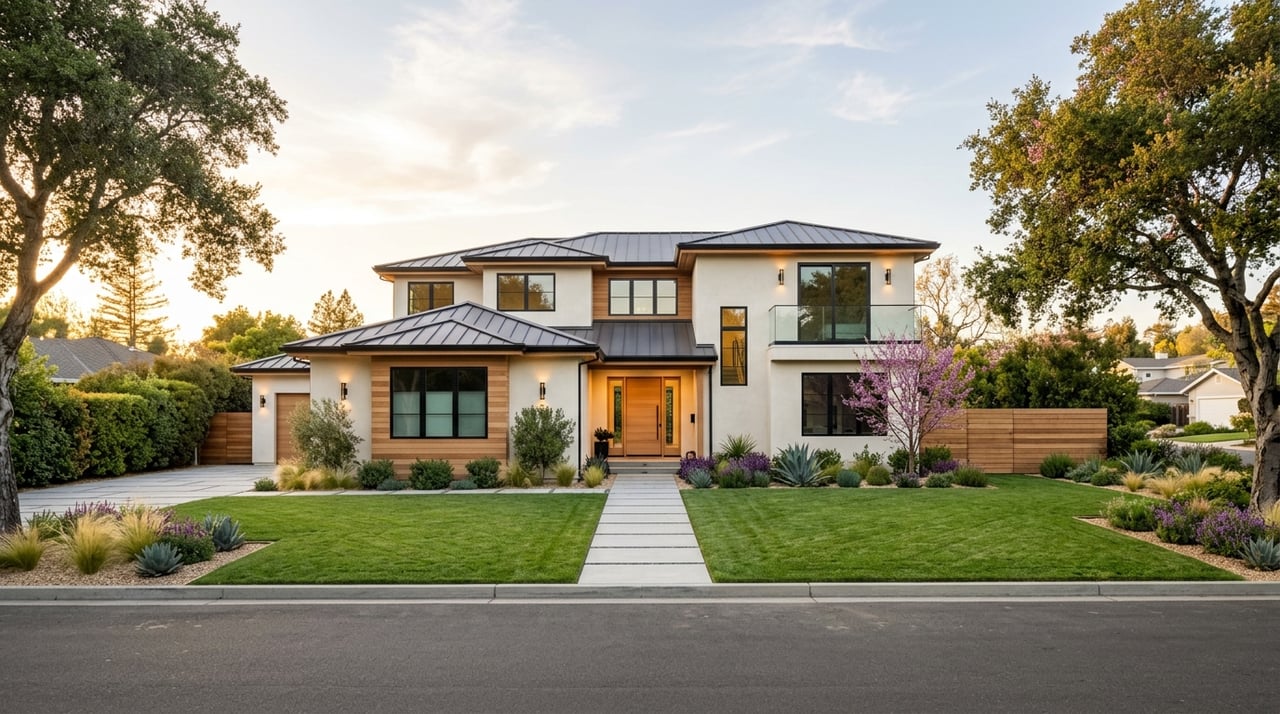
You own the home and the lot, and you are responsible for all maintenance. Palo Alto offers both historic character homes and newer high-end builds. Lot size is a major driver of value. Single-family homes fit buyers who need private outdoor space, maximum control over renovations, and larger interior layouts.
Affordability is the first filter. Detached homes typically command much higher prices because of the land component. Condos and townhomes usually provide lower entry points. When you run the numbers, compare the full monthly picture, not just the mortgage.
Financing a condo can be more complex. Lenders review the building’s reserves, owner-occupancy mix, litigation history, and approval status for certain loan programs. Jumbo loans are common in Palo Alto due to high prices, and qualification standards can be stricter.
California’s Davis-Stirling Common Interest Development Act governs how HOAs operate and what they must disclose. Before you commit, review the association’s documents closely. A healthy HOA helps protect your investment.
Key items to request and review:
Red flags include low reserves, frequent special assessments, deferred maintenance on major systems, and ongoing litigation. Ask targeted questions about upcoming projects like roof replacement, plumbing upgrades, elevators, or seismic work.
Condos and many townhomes centralize exterior upkeep through the HOA, which means less day-to-day maintenance for you. You handle interior items and some limited exterior features. This setup can work well if you travel often or prefer to outsource building care.
Single-family homes require more hands-on management. You are responsible for the roof, yard, systems, and improvements. Palo Alto’s older housing stock and larger lots can mean higher maintenance costs, but you get full control over upgrades and layout changes, subject to permits.
For commute and daily rhythm, condos and townhomes near downtown or Caltrain can shorten your office days. If you are hybrid, you might value easy transit access during in-office days and quiet space for home work. A single-family home or larger townhome can deliver the extra room for an office, hobby area, or multi-generational living.
Detached homes on desirable lots tend to see steadier long-term demand in Palo Alto. Lot size and location are primary drivers of resale performance. Condos can be more cyclical, and their value depends heavily on the building’s condition, reserves, and governance. Well-managed buildings in walkable locations can perform well.
Local employment conditions matter. The buyer pool ties closely to Stanford and nearby tech employers. Job growth and return-to-office policies can influence demand for different property types. Zoning and design rules limit large-scale redevelopment, which keeps lot value concentrated in existing single-family neighborhoods.
| Feature | Condo | Townhome | Single-Family House |
|---|---|---|---|
| Purchase price (relative) | Lower entry point | Mid-range between condo and house | Highest due to lot value |
| Monthly carrying costs | Mortgage + HOA + interior insurance | Mortgage + HOA + insurance | Mortgage + full insurance |
| Maintenance | HOA handles exterior; you handle interior | HOA covers common areas; you handle your unit and small yard | You handle everything |
| Renovation flexibility | More rules and approvals | Moderate flexibility with HOA rules | Highest flexibility with permits |
| Commute/access | Often close to transit and downtown | Varies; many are reasonably central | Varies; more car-reliant if farther out |
| Financing complexity | Highest, due to project underwriting | Moderate | Lower project complexity |
| Resale outlook | Building quality and management matter | Balanced if community is well run | Strong long-term demand for good lots |
You likely want affordability, a simple commute, and low maintenance. A centrally located condo can be a strong match. Confirm HOA financial health and any rental caps if you may lease later.
You likely prioritize space, privacy, and a yard. A single-family home in an established neighborhood often fits. Expect higher purchase and maintenance costs and more competition for limited listings. Check school boundaries if they are a factor in your decision.
You want a dedicated office and a manageable commute on in-office days. A townhome with multiple levels and a small yard can balance both goals. Look for floor plans that separate work and living areas.
Your focus is on rental rules, building governance, and resale liquidity. Review HOA rental policies and reserves, and consider the sensitivity of condo values to supply and financing. Some investors favor single-family homes for broader financing options and demand.
Choosing between a condo and a house in Palo Alto is a high-stakes decision. You deserve clear analysis, local context, and a calm plan from an owner-led adviser. TN Realty combines neighborhood-level expertise with a methodical, data-informed process. We review HOA health, outline financing paths, and map tradeoffs so you can move forward with confidence. We also offer bilingual service in Cantonese and Mandarin for clear, comfortable communication.
If you are ready to compare specific options, request a tailored shortlist and a side-by-side cost breakdown. When you want a steady hand and local insight, connect with Tony Ngai to get started.
Stay up to date on the latest real estate trends.
Real Estate
Wait or buy?

Get in Touch to Schedule a Consultation