
March 5, 2026
You want more space near major campuses without the single-family price tag. If that sounds like you, a townhome in Mountain View can be a smart, low‑maintenance fit. You get your own front door, a garage, and often a small patio, plus easier upkeep than a house. In this guide, you’ll learn what townhomes cost here, how HOAs work, what to check for parking and EV charging, commute realities, and the key financing steps to protect your purchase. Let’s dive in.
Mountain View stays competitive because of its job base and location. City data shows a median single-family price around $2.5M in late 2024, which explains why many buyers look to townhomes for value while staying close to work. The City’s FY2023–24 report provides that single-family benchmark and highlights the local employment concentration.
By comparison, Redfin reports a citywide median sale price near $1.66M in January 2026, and Zillow’s home-value index has hovered around $1.9–$2.0M in mid‑2025. In practice, townhome listings in Mountain View often range from about 1.05M to 1.9M for many 2–3 bedroom options, with newer or premium infill communities listing closer to 1.8M–2.5M. Inventory is thin, so the best units can draw strong interest.
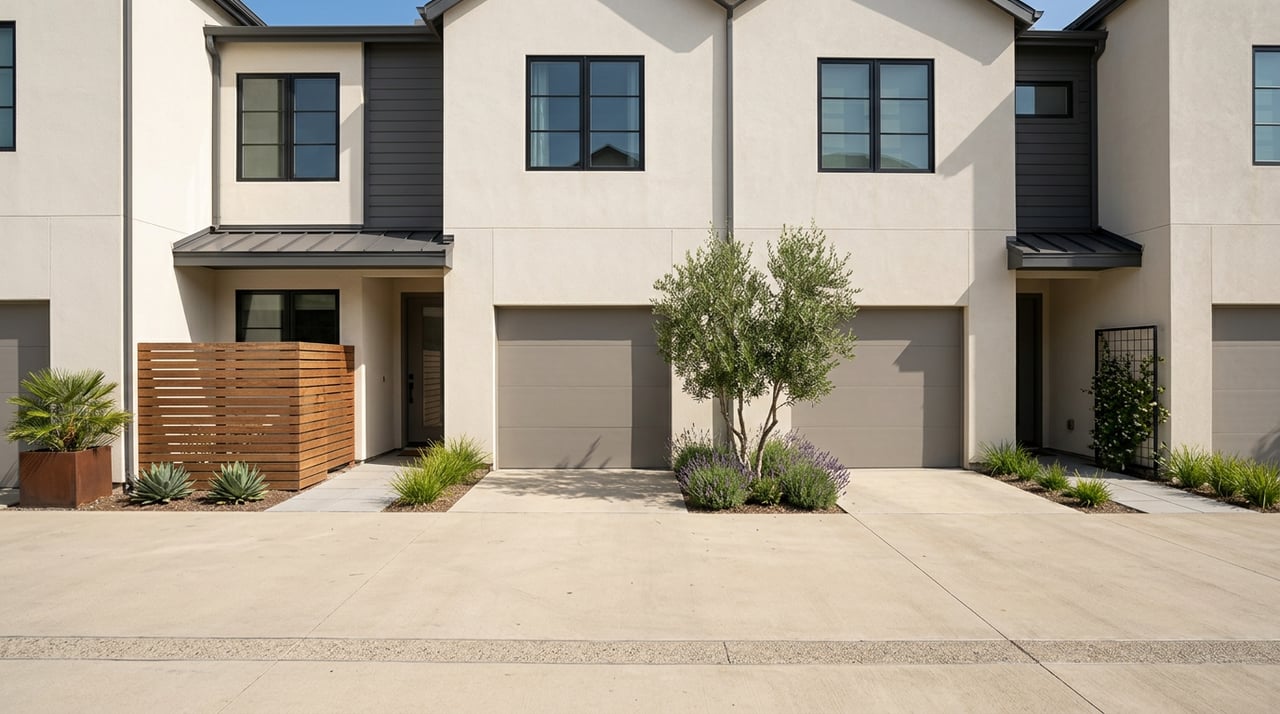
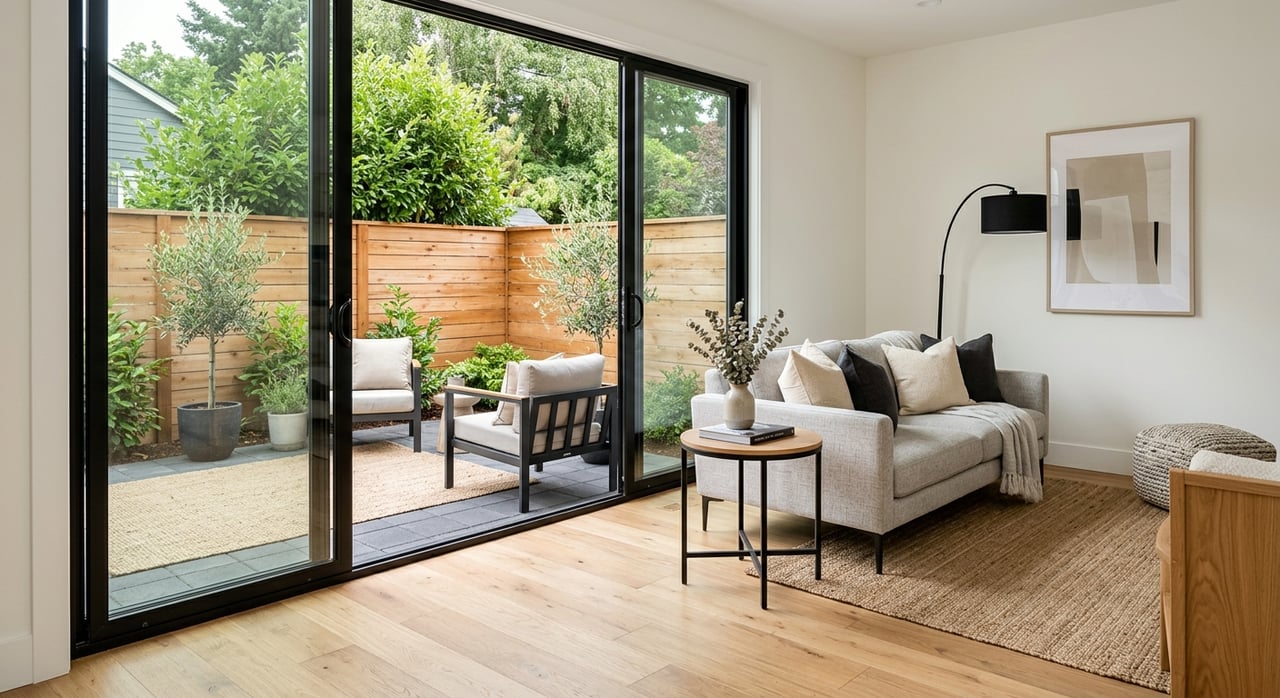
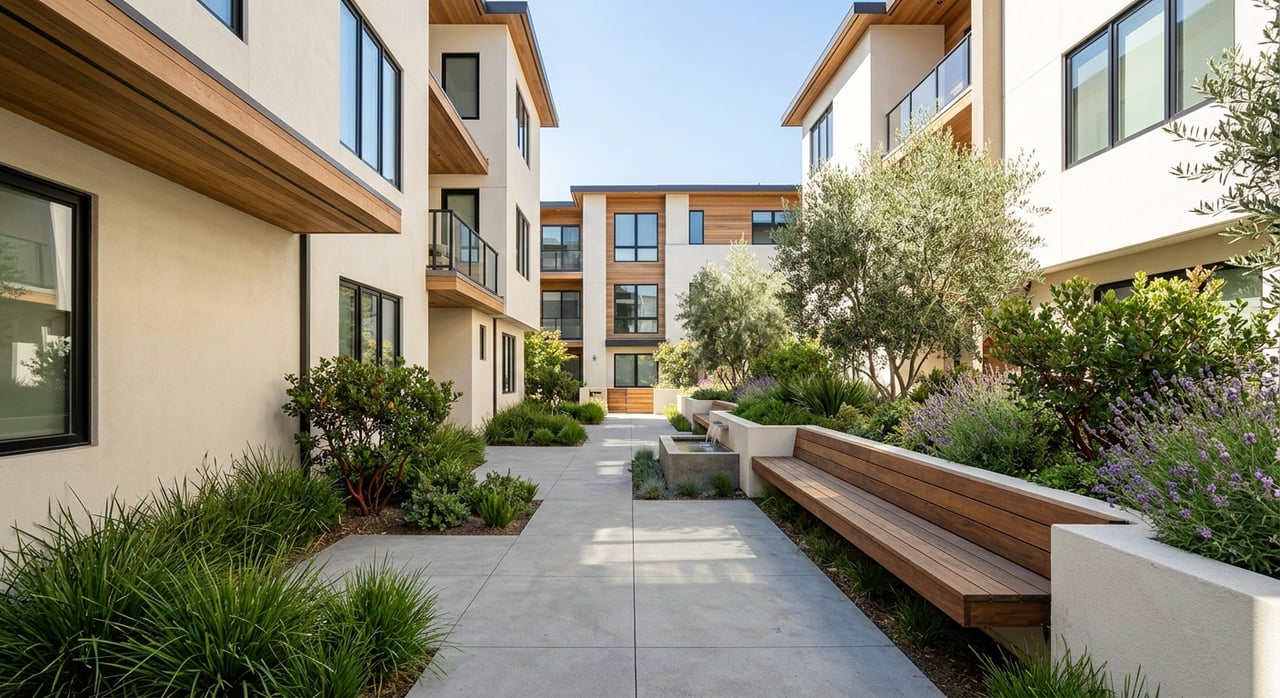
Most Mountain View townhomes are 2–3 stories with a shared wall, private entry, attached or underground garage, and a modest patio or balcony. Many 2–3 bedroom floor plans run roughly 1,000–1,900 square feet. Townhomes are commonly part of a Common Interest Development, so you’ll join an HOA at purchase.
Private outdoor space varies. Some homes have small exclusive-use patios or yards, while others offer only common landscaping. Check the CC&Rs to see what is exclusive-use versus common area, and who maintains fencing and gates.
California’s common-interest rules set clear expectations for buyers and HOAs. Before you commit, read the CC&Rs, bylaws, budget, reserve study, insurance certificates, and recent meeting minutes. The California DRE’s consumer guide explains how CIDs and HOAs operate, what disclosures you should receive, and why reserves matter.
In Mountain View, HOA dues often include exterior maintenance, roof and common-area repairs, landscaping, common-area insurance, and trash. If there is a pool, spa, or clubhouse, expect that to be included. Dues vary by age and amenities, but many townhome HOAs land in a general range of about 200 to 600 dollars per month, with outliers lower or higher.
Healthy reserves help the association fund big projects like roofs and exterior painting. If reserves are thin or a major project is coming, owners may face a special assessment. Review the latest reserve study and budget to judge the risk. The DRE guide outlines what to look for.
Most townhomes include one or two garage spaces, sometimes tandem. Confirm that parking is deeded to your unit, not just assigned by the HOA. If you live near downtown, the City runs a permit program that may affect guest or street options. Review the downtown parking permits page for current rules.
If you plan to ride Caltrain, the Mountain View Transit Center offers paid parking with limited capacity during peak periods. Check VTA’s station information to plan timing and alternatives like biking, carpool, or ride‑hail.
For EVs, California law gives members in common-interest communities a pathway to install chargers, subject to reasonable HOA rules and approvals. Policies are evolving as the state refines guidance. Review your HOA’s EV policy and the electrical capacity of your garage. You can track legislative updates, such as recent bills addressing EV rights in CIDs, on the California Legislature’s site.
Townhomes near Caltrain or bike routes can trim your commute and stress. Caltrain connects Mountain View to San Francisco and San Jose with local and express trains. Typical northbound travel time to San Francisco is about one hour depending on the train and time of day, according to route planners like Rome2Rio. Many neighborhoods also offer practical bike access through the Stevens Creek Trail and Shoreline paths. If you want a car‑light life, target homes within about a mile of the Mountain View Transit Center or San Antonio Caltrain.
Condo and townhome loans often depend on the project, not just your unit. Lenders and investors review factors like owner‑occupancy, dues‑delinquency rates, reserve funding, commercial space share, and litigation. These details affect whether the loan is considered warrantable. Review the framework in Fannie Mae’s condo requirements with your lender early.
If you plan to use FHA or VA financing, the project may need approval. That can add time or limit options, so confirm status upfront and ask your lender about spot or project approvals. See FHA guidance on condominium approvals via HUD’s partner resources.
Property taxes in Santa Clara County follow California’s Proposition 13. The base tax is about 1 percent of assessed value, with local bonds and assessments often added on top. Learn how this works in the LAO’s property tax primer, then ask your title officer or the county assessor for parcel‑specific estimates.
If you want a low‑maintenance home near major campuses and Caltrain, a Mountain View townhome can be a strong move. We help you compare neighborhoods and complexes, read HOA documents, and structure offers that protect you without slowing you down. For bilingual guidance in Cantonese or Mandarin and a data‑driven plan from search to keys, connect with Tony Ngai.
Stay up to date on the latest real estate trends.
Real Estate
Wait or buy?
Get in Touch to Schedule a Consultation