Thinking about selling your Saratoga home but unsure when to list? Timing can influence your sale price, days on market, and the stress level of your move. You want a plan that fits both the market and your personal timeline. In this guide, you’ll learn how seasonality, buyer behavior, and preparation steps come together so you can choose the best listing window for your goals. Let’s dive in.
What drives timing in Saratoga
Saratoga follows many Silicon Valley patterns, yet each year brings its own mix of demand and inventory. Seasonality, interest rates, and local employment trends shape how many qualified buyers are in the market at any moment.
- Market cycles. Spring and early summer usually bring more showings, quicker sales, and stronger pricing. Winter often sees fewer shoppers, though motivated buyers still act.
- Inventory and competition. Fewer comparable listings can amplify attention on your home. A surge of new listings can split buyer focus.
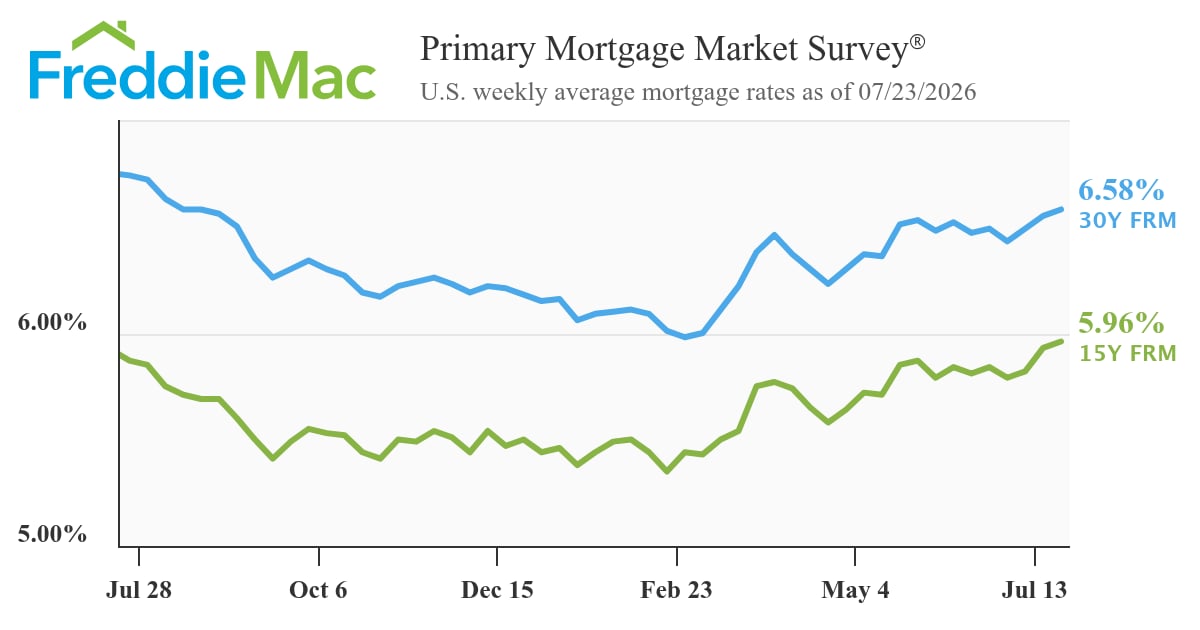
- Interest rates. Rising rates can reduce purchasing power. Falling rates can bring new buyers off the sidelines.
- Local economy. Shifts in tech employment, stock market performance, and remote or hybrid work can expand or contract the buyer pool.
- Buyer profiles. Families planning around the school year often target spring and early summer. Executive relocations, investors, and downsizers may search year-round.
- Your timeline. Taxes, the purchase of your next home, and required disclosures or repairs can matter as much as market seasonality.
Saratoga seasonality at a glance
Spring through early summer, roughly March to June, is traditionally the strongest period. You’ll often see more buyer traffic and faster movement. Families who prefer to move before a new school year are a big part of this demand.
Late summer into early fall, July through October, can still be productive. There may be fewer casual shoppers, yet serious buyers remain. If spring felt competitive, this window may balance activity with less listing congestion.
Late fall through winter, November to February, typically slows. There are fewer open houses and lower overall inventory. That said, serious buyers continue to transact, and selective homes can stand out.
Recommended listing windows
- Primary window: March to June. This aligns with peak buyer activity and can support quicker sales and stronger pricing.
- Secondary window: Late August to October. Activity remains steady, often with less head-to-head competition than spring.
- Off-peak opportunities: If inventory is very low or you want to avoid crowded listing weeks, consider winter. Motivated buyers search year-round, including relocations and cash buyers.
If your home is in a higher price tier, you may find qualified buyers in any season. Even so, a polished spring launch can help maximize exposure.
Your preparation timeline
Start early so your listing date is a choice, not a scramble. A calm prep phase supports better photos, smoother showings, and stronger offers.
- 3 to 6 months out: Assess repairs and updates. Get contractor estimates and consider permit timelines for any structural work.
- 6 to 8 weeks out: Book staging. Gather disclosures and order reports you plan to provide, such as roof, pest, or sewer.
- 2 to 4 weeks out: Complete deep cleaning, decluttering, landscaping, and paint touch-ups. Schedule professional photography, including exterior and twilight shots.
- Ready to show: Make sure your disclosures are organized and accessible. A pre-listing inspection can reduce surprises during negotiations.
- Escrow planning: A 30 to 45 day escrow is common in California. Coordinate closing and move dates in advance.
Pricing and listing strategy
Price is your most powerful lever. Anchor your list price to current comps and market velocity. In a fast spring market, pricing slightly under key thresholds can increase showings and competition. In slower periods, price closer to current value with room to negotiate.
Plan for your next step. If you need to buy, consider rent-back options or concurrent closings to reduce moves. Time your launch midweek so the listing is fresh for weekend tours, and keep your photos recent for maximum impact.
Legal, tax, and disclosure timing
Get ahead of required documents in California so you are ready when offers arrive. Early preparation avoids delays and builds buyer confidence.
- Disclosures: Transfer Disclosure Statement and Natural Hazard Disclosure are standard. Check for any local requirements in Santa Clara County or the City of Saratoga.
- Safety items: Confirm smoke and carbon monoxide detectors, plus water-heater bracing, meet current guidelines.
- Taxes: Many sellers can exclude up to $250,000 of gain if single or up to $500,000 if married filing jointly, subject to the ownership and use rules. California conforms to federal capital gains rules, though state tax can still apply above the exclusion. Consider consulting a tax professional.
- Property taxes: California provisions related to portability may apply for certain sellers. Review options early to align your move and holding costs.
Scenarios to tailor your timing
Every seller’s goal is different. Use these quick frameworks to match timing to your priorities.
- If you want a quick sale: List when inventory is thin, even in winter. Price at or very near market value. Offer clear disclosures and be flexible on terms.
- If you want to maximize price: Target March to June with complete prep, standout staging, and compelling visuals. Launch midweek to build momentum into the first weekend.
- If you must sell and then buy: Align your sale with your purchase window. Explore rent-back, longer escrows, or pre-approval for a bridge solution guided by your lender.
How school calendars affect timing
Many family buyers prefer to move before a new school year. If that is your likely buyer, aim to list so a buyer can close by late July or August. That often means bringing your home to market in spring.
If your home appeals to buyers who are not tied to the school calendar, fall and winter can still work well. Focus on strong presentation and accurate pricing.
When winter works
Winter has fewer casual shoppers and fewer listings. That combination can help your home stand out if it fits a pressing need in the market. You may also encounter serious, ready-to-act buyers and less competition from similar properties.
Next steps
The best time to sell is the window that balances market demand with your personal plan. A thoughtful prep timeline, accurate pricing, and a clear launch strategy make the biggest difference. If you want a data-backed recommendation for your specific home and neighborhood, TN Realty can help with a local market snapshot, a customized timing plan, and bilingual service in Cantonese and Mandarin.
Ready to map your sale timeline and pricing strategy? Request your free neighborhood market report and home valuation from Tony Ngai.
FAQs
Is spring always the best time to sell in Saratoga?
- Spring and early summer are typically strong for buyer activity, yet low inventory, interest rates, and your personal timeline can make other seasons advantageous.
How far in advance should Saratoga sellers prepare?
- Plan 6 to 12 weeks for repairs, staging, and documents, and allow more time if permits or major work are needed.
Will listing during the school year hurt my Saratoga sale?
- It may reduce family-based demand, yet motivated buyers search year-round. Fall can also offer less competition and solid results.
Do Saratoga sellers need a pre-listing inspection?
- Not required, but it can surface issues early, inform pricing, and reduce negotiation surprises with potential buyers.
How do local school calendars impact Saratoga home sales?
- Many families aim to close by late July or August. Listing in spring supports that timeline and can broaden your buyer pool.