

January 1, 2026
Pricing a home in Menlo Park is both an art and a science. You want every showing to count, every offer to be strong, and your timeline to feel calm and predictable. If you understand how price is set in this market, you can make confident decisions without second-guessing. In this guide, you’ll see the exact steps we use, the factors that move value in Menlo Park, and how we adapt strategy to your goals. Let’s dive in.
You deserve a clear, data-driven approach that also respects neighborhood nuance. We combine a Comparative Market Analysis with on-the-ground insight about streets, lot types, school boundaries, and buyer behavior. We do not rely on one number from an algorithm. We build a price range, test the market, and make timely adjustments with you.
We also align your pricing plan with real market forces. Interest rates, tech employment cycles, and inventory shifts can change buyer urgency quickly. We watch these signals and help you set a price that is competitive on day one and resilient through negotiations.
We begin with the basics: property type, living area, lot size, bed and bath count, year built, recent updates, and any special features like ADUs, views, or unique architecture. We also note zoning and permit history, plus the assigned school districts so we understand buyer expectations without making value judgments.
We analyze recent closed sales, active listings, pendings, and withdrawn or expired listings. In a fast market we focus on the last 3 months. If the home is unique or the market is slower, we can widen to 6 to 12 months and expand the radius while staying mindful of neighborhood differences.
We apply qualitative and quantitative adjustments for living area, usable lot space and privacy, bedrooms and layout, condition and renovations, parking, and any positive or negative influences like transit access or noise. If the home has an ADU or rental potential, we factor that into the buyer pool.
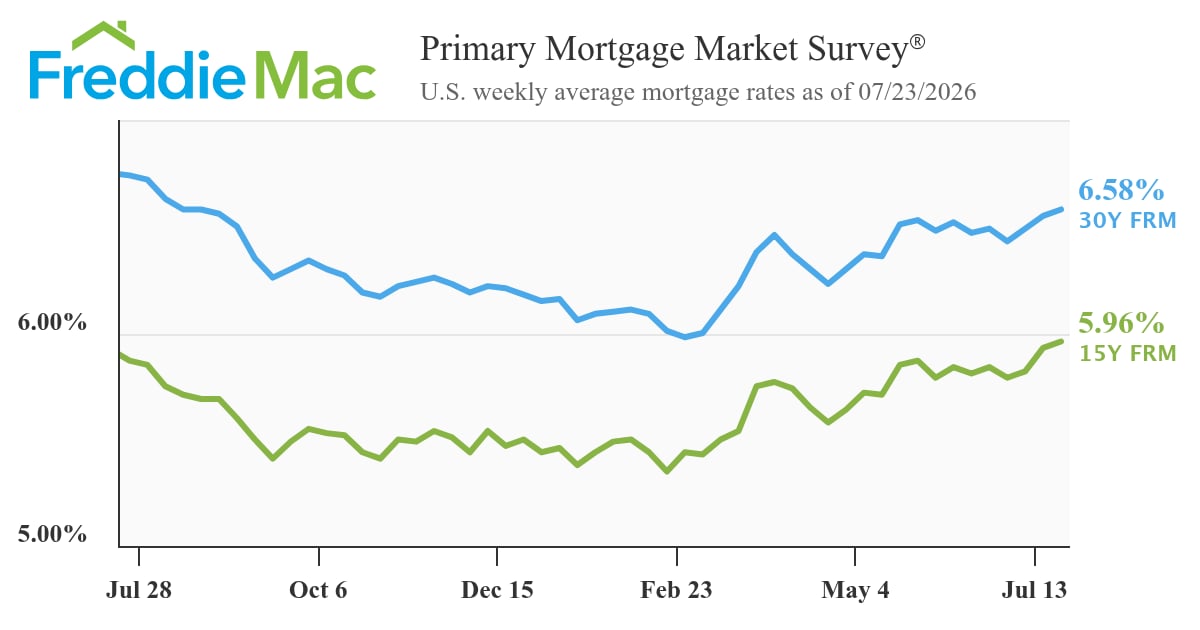
We consider broader trends affecting buyer demand. Mortgage rates influence purchasing power. For a current snapshot, we reference the weekly rate survey from Freddie Mac’s Primary Mortgage Market Survey. For statewide and county-level context, we consult the California Association of Realtors.
We present a clear recommendation with scenarios so you can choose the path that fits your goals. You will see how each strategy could affect showings, offer strength, timeline, and negotiation leverage.
Once listed, we monitor showing volume, buyer feedback, and activity on competitive listings. If needed, we adjust quickly to stay aligned with the market and your timeline.
Every home and seller has different priorities. We match your price to your plan.
Menlo Park is a premium Peninsula market shaped by proximity to major employers, Stanford, and nearby downtowns. Within the city, value varies widely by lot size, privacy, and street feel. Buyers often pay up for quiet, usable yards and mature trees. Homes near Caltrain or commute routes can draw additional interest from certain buyers.
School boundaries matter to many households. You can review district information directly from the Menlo Park City School District and the Sequoia Union High School District. We use this context in a neutral, factual way when evaluating comps and buyer demand.
ADUs and permitted improvements can increase versatility and appeal. To confirm what is allowed on your lot, consult the city’s Planning and Building resources. If your property sits in or near a historic resource area, or carries permit conditions, those details can influence value and timing.
Natural hazard disclosures also matter to buyers. Flood zones, seismic considerations, or insurance factors can affect perceived risk and price sensitivity. We anticipate these questions upfront and incorporate them into your pricing plan.
Bay Area pricing is sensitive to mortgage rates and tech sector sentiment. When rates fall, more financed buyers re-enter, and bidding can intensify. When rates rise, purchasing power shrinks and buyers may become more selective. For the latest rate trend, we reference Freddie Mac’s weekly survey.
Because conditions move fast, we prefer to guide you with current data instead of stale headlines. For a broader view of county and statewide trends, we also consult the California Association of Realtors. We use this context to time your list date, refine strategy, and set expectations for appraisals.
In premium Peninsula markets, cash and jumbo financing are common. Cash offers often carry a pricing advantage because they reduce contingency risk and shorten timelines. When financed offers lead the pack, we pay close attention to appraisal preparation.
Appraisals rely on recent closed comps and can lag when prices are rising or when a home is highly unique. We assemble a clear comp package for the appraiser and document demand during showings and open houses. If needed, we prepare for appraisal gap strategies during negotiations.
Escrows typically run 30 to 60 days depending on financing and contingencies. We evaluate trade-offs between speed, certainty, and price so you can accept the offer that best matches your goals.
California law requires sellers to deliver core disclosures, including the Transfer Disclosure Statement and Natural Hazard Disclosure. You can read more about consumer and disclosure requirements with the California Department of Real Estate. Being thorough early helps protect your price by minimizing late surprises and credits.
Permit and code history can affect buyer confidence. We review your file, verify open and finaled permits, and advise on any corrective steps. City resources for permits and zoning are available through Menlo Park Planning and Building.
Property taxes in San Mateo County generally follow Proposition 13. A change in ownership triggers reassessment to current market value with capped annual increases afterward. For parcel data and tax basics, visit the San Mateo County Assessor-County Clerk-Recorder.
We track three signals in the first two weeks: showing count, buyer feedback, and how your home stacks up against new listings and recent pendings. If traffic is strong but offers lag, we may refine presentation or adjust terms to unlock momentum. If traffic is thin, a targeted price adjustment can re-energize the buyer pool.
Our goal is to maximize your net proceeds while maintaining control over timing. Clear feedback loops and quick decisions keep the process calm and predictable.
You want a hands-on adviser who combines data, communication, and care. Our boutique model means you work directly with an owner-level broker who manages the details and keeps you informed at every step. We build your price from the ground up, explain each adjustment in plain language, and align strategy to your priorities.
If Cantonese or Mandarin is your preferred language, we provide full bilingual support for documents and discussions. You also gain access to a structured process that reflects a decade of Silicon Valley transaction experience.
Ready to see how your Menlo Park home would be priced today? Request your free neighborhood market report and home valuation, or connect directly with Tony Ngai for a tailored consultation.
Stay up to date on the latest real estate trends.

Real Estate
Wait or buy?


Get in Touch to Schedule a Consultation