Thinking about selling your Cupertino home this winter but not sure what it could fetch? You’re not alone. Winter can feel uncertain, yet Cupertino’s unique mix of tech-driven demand and limited inventory often keeps values resilient. In this guide, you’ll learn how to estimate a realistic price range, how winter timing can help you, and what to do now to earn strong offers with less stress. Let’s dive in.
How winter affects Cupertino prices
Winter usually brings fewer listings and fewer buyers. In Cupertino, that often means less competition for well-prepared homes. While buyer traffic can slow around the holidays, many shoppers are serious and ready to act. Mild weather also keeps showings moving.
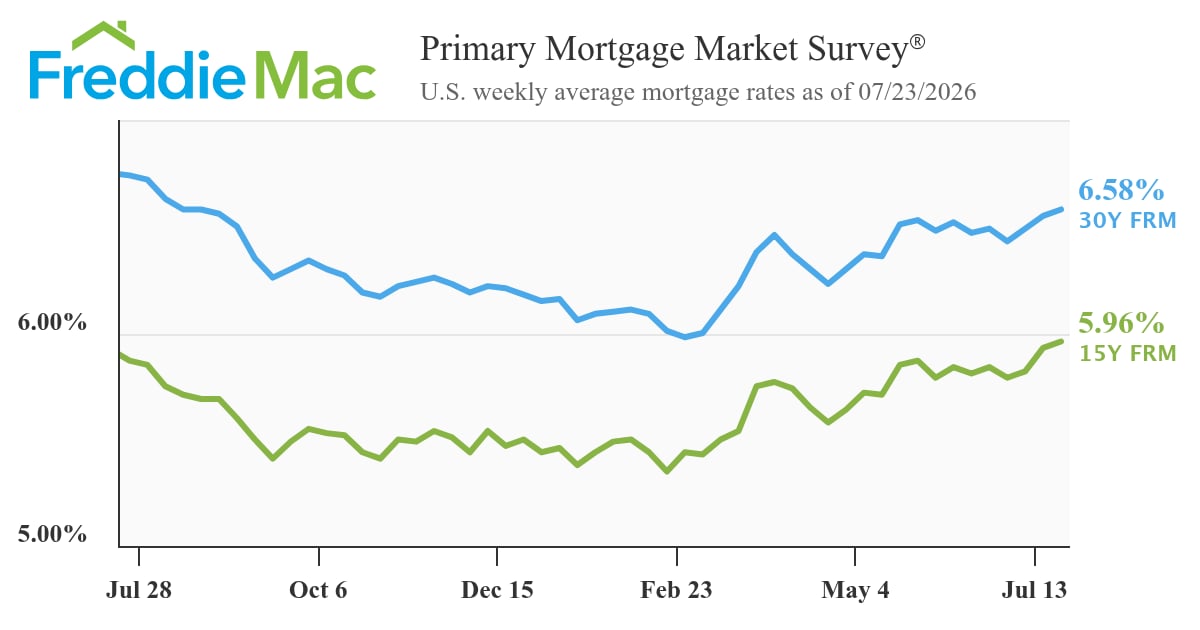
Your outcome depends more on supply, demand, and mortgage rates than the season alone. Check live local metrics before you set a price. Reliable places to review include recent Cupertino comps on MLSListings, county records from the Santa Clara County Assessor, and mortgage rate trends from the Freddie Mac weekly survey.
What your home could sell for: a step-by-step
Use a Comparable Market Analysis (CMA) as your anchor. Then cross-check with price-per-square-foot and micro-neighborhood trends.
1) Define your property profile
- Property type: single-family, townhouse, or condo.
- Size: bedrooms, bathrooms, gross living area, lot size, and year built.
- Condition and upgrades: roof, systems, kitchen/bath refreshes, seismic and energy updates.
- Micro-location: neighborhood and attendance areas can influence value in Cupertino.
2) Select the right comparables
- Start with closed sales from the last 30–90 days when available.
- Add pending sales and nearby actives to gauge momentum and competition.
- Match on property type, size, condition, lot, and micro-neighborhood.
3) Establish a price-per-square-foot baseline
- Average the $/sqft from the closest comps.
- Note that $/sqft varies widely by location, home age, and finish level.
4) Adjust for meaningful differences
- Upgrades and systems, floor plan functionality, single-story vs. two-story.
- Lot quality, privacy, outdoor usability, and any view or pool.
- Location factors like proximity to parks, transit, or major employers.
- Negative impacts such as busy streets or utility easements.
5) Apply market context
- Multiply the adjusted $/sqft by your home’s square footage for a first-pass estimate.
- Cross-check against recent sales of similar size and the current sale-to-list environment.
- Consider buyer affordability as mortgage rates shift. Track weekly changes via Freddie Mac’s survey.
6) Set a range and confidence level
- Present a low, likely, and high estimate rather than one number.
- In thinner winter markets, expect a wider range and potentially longer Days on Market.
Smart pricing and marketing this winter
You have two viable strategies. If you want speed, price at the market-clearing level to pull in motivated buyers and reduce days on market. If inventory is tight, slightly conservative list pricing can attract multiple offers without overreaching.
Strong online presentation matters more in winter. Use professional photos, a floor plan, and a virtual tour so buyers can pre-qualify the property online. Keep showings flexible and highlight benefits that resonate year-round, such as efficient systems, comfortable lighting, and convenient access to major employers.
Costs and timing for Santa Clara County sellers
Most sellers can expect these common items at closing in California:
- Commission: typically 5–6% of the sale price within local norms.
- Escrow and title fees: vary by company and contracts.
- Transfer taxes: verify current city and county amounts before listing.
- Prorated property taxes: based on your close date.
- Prep costs: staging, repairs, inspections, and any HOA transfer fees.
- Potential capital gains taxes: many sellers use the federal primary-residence exclusion of $250,000 for single filers or $500,000 for married filing jointly if you meet ownership and use tests. Review the rules in IRS Publication 523, and consult your tax professional.
Typical escrow runs about 30–45 days after you accept an offer. Prepping disclosures early and responding quickly to buyer requests keeps timelines on track. For disclosure guidance and forms, start with the California Department of Real Estate.
Cupertino winter seller checklist
- Get a current CMA with 30/90/365-day metrics, plus price-per-square-foot trends.
- Review title and tax records to confirm property details and any liens.
- Consider a pre-listing inspection to reduce renegotiations later.
- Prioritize ROI updates: neutral paint, updated lighting or fixtures, and landscaping cleanup.
- Stage for the season: warm, well-lit spaces; clean gutters and safe, tidy walkways.
- Invest in pro media: photos, floor plan, and a virtual tour.
- Decide on non-price terms: contingency timelines, repair credits, or closing schedule.
Timing tips inside winter
- Late November to early January can be slower due to holidays. If possible, plan around peak travel weeks.
- Late January and February often bring renewed activity as buyers reset goals and employers align relocations.
- Keep an eye on any planned projects or zoning changes with the City of Cupertino’s community development pages if your micro-area may be affected.
Why a local, data-first adviser matters
Cupertino is a micro-market city. Two similar homes just blocks apart can trade at very different prices due to lot quality, floor plan, and subtle location factors. A precise valuation requires real-time MLS data, neighborhood expertise, and a clear plan for pricing, presentation, and negotiation.
If you’d like a tailored winter price range, request a free neighborhood market report and on-site valuation review. TN Realty provides bilingual service in Cantonese and Mandarin and a data-informed approach built for Silicon Valley sellers.
Ready to learn what your Cupertino home could sell for this winter? Reach out to Tony Ngai to get your personalized CMA and strategy.
FAQs
Will selling in Cupertino during winter get me less money?
- Not necessarily; winter brings fewer buyers and fewer listings, so outcomes depend on supply, demand, and mortgage rates rather than season alone.
How should I price vs. comps when listing in winter?
- Use a CMA to set a realistic range and consider pricing at or slightly below market to attract motivated winter buyers.
How do mortgage rates affect my likely sale price in Cupertino?
- Higher rates reduce purchasing power, which can soften prices; track weekly trends via the Freddie Mac survey.
How long does it take from listing to close in Cupertino?
- Escrow typically runs 30–45 days after acceptance; days on market vary by price band, condition, and competition.
What seller costs should I expect in Santa Clara County?
- Plan for commission around 5–6%, escrow/title fees, any transfer taxes, prorated property taxes, prep costs, and possible capital gains taxes depending on your situation.
Which pre-sale upgrades add the most value before a winter listing?
- Focus on visible wins like kitchen/bath refreshes, neutral paint, lighting, and energy-efficient or well-maintained systems aligned with buyer expectations in your micro-area.