
April 2, 2026
If you want a shorter commute to Apple Park without giving up everyday convenience, Cupertino is one of the first places you will likely consider. The challenge is that "living near Apple Park" can mean very different things depending on the neighborhood, home type, and budget you have in mind. In this guide, you will get a practical look at what it’s like to live near the campus, from access and housing to parks and daily errands, so you can narrow your search with more confidence. Let’s dive in.
Apple Park sits at One Apple Park Way in Cupertino, and nearby travel patterns often center around Wolfe Road, I-280, and Stevens Creek Boulevard. If your goal is to cut down drive time or stay close to major routes, those corridors matter most when comparing neighborhoods and housing options.
That location also influences what buyers and renters tend to prioritize. Many people start with commute convenience, then quickly look at walkability to shopping, access to open space, and the mix of home types available nearby.
For many households, the biggest draw of living near Apple Park is simple: less time spent getting to and from work. Main Street Cupertino notes that it sits on Stevens Creek Boulevard between Wolfe and Tantau, recommends the Wolfe Road exit from I-280, and is also served by VTA Route 23 and Express 323. That gives you a sense of how central these roads are to daily movement in the area.
Transit is also broader than many buyers first expect. Cupertino is served by Route 23 along the Stevens Creek corridor, and the city’s SV Hopper on-demand shuttle serves the whole city while connecting to the Sunnyvale and Mountain View Caltrain stations, according to VTA.
Road access is also getting attention at the infrastructure level. In June 2025, the City of Cupertino said it secured key funding from Apple for the I-280/Wolfe Road interchange improvement project, which highlights how important that interchange is for local circulation and regional access.
If you are comparing homes near Apple Park, these are the roadways worth watching most closely:
Living near Apple Park is not just about getting to work. It is also about how easily you can handle errands, meals, and quick meetups without driving across town.
Two of the area’s best-known retail hubs are Main Street Cupertino and Cupertino Village. Main Street Cupertino is a mixed-use destination on Stevens Creek Boulevard with public plazas and open spaces, while Cupertino Village offers a broad mix of everyday services, including 99 Ranch Market, cafes, tea shops, banks, salons, and quick-service restaurants.
For many buyers, that mix supports a practical lifestyle. You may not be looking for a fully urban environment, but being able to pick up groceries, grab coffee, or meet friends nearby can make a big difference in your day-to-day routine.
One of Cupertino’s strengths is that living near a major employment center does not mean giving up access to parks and outdoor space. The city has several notable public spaces that add balance to daily life.
According to the City of Cupertino, Memorial Park is the city’s largest and most used park. The 22-acre site includes a lawn, gazebo, amphitheater, lit softball field, and lit tennis courts, and it sits next to the Senior Center, Quinlan Community Center, and Cupertino Sports Center.
Other nearby options add variety. McClellan Ranch Preserve is an 18-acre historic preserve with a quarter-mile trail and restored ranch structures, while Jollyman Park became home to Cupertino’s first all-inclusive playground in 2025, according to the city’s park planning information.
Here is a quick snapshot of key parks near Apple Park:
| Park | What to know |
|---|---|
| Memorial Park | Cupertino’s largest and most used park with recreation and community facilities |
| McClellan Ranch Preserve | Historic preserve with trails and restored ranch features |
| Jollyman Park | Includes the city’s first all-inclusive playground |
If you picture Cupertino as mostly single-family homes, that is still largely true. The city’s housing element data says that in 2020, 69.6% of Cupertino’s housing stock was single-family, including 57.1% detached and 12.6% attached, while 30.4% was multifamily.
That said, the market is not one-size-fits-all. Cupertino’s housing documents also note that renters make up about 40% of households, which reflects a meaningful mix of ownership and rental demand.
For buyers, this means you will find a range of options depending on where you look, from traditional detached homes to condos, townhomes, and newer multifamily projects. For renters, it means Cupertino remains a market where leasing is a significant part of the local housing picture.
Current and recent city-linked projects show how Cupertino’s housing mix is gradually evolving. These include:
The city said Westport Senior Apartments is within walking distance of Memorial Park, the Senior Center, and restaurants, which reflects the appeal of centrally located housing near services and public amenities.
Cupertino is also developing Objective Design Standards to standardize review of multi-family and mixed-use residential projects. Along with the city’s adopted and state-certified 2023-2031 Housing Element, that points to continued attention on housing planning and future development.
The area around Apple Park can appeal to several types of households, but your best fit depends on how you balance budget, home style, and convenience. Some buyers want a detached home close to major commute routes, while others are more focused on lower-maintenance options near shopping and transit.
If you are buying, it helps to define your priorities early:
If you are renting, similar questions apply. You may care less about lot size and more about access to Route 23, nearby retail centers, and flexible transportation options like the citywide SV Hopper.
Not every Cupertino address near Apple Park offers the same lifestyle. Even within a relatively compact area, small differences in location can affect your commute pattern, noise level, access to shopping, and how often you rely on a car.
A practical way to compare options is to think in terms of micro-locations rather than broad labels. For example, one home may offer easier access to Wolfe Road and I-280, while another may place you closer to Stevens Creek Boulevard retail and transit. Neither is automatically better. It depends on how you live.
When clients are comparing Cupertino homes, a neighborhood-first approach usually works best. You want to look at the surrounding street network, nearby amenities, housing type, and how each location fits your weekly routine, not just your work address.
If your priorities include access to a major employment center, established parks, and reliable day-to-day convenience, Cupertino has a lot to offer. The area near Apple Park combines important commute corridors with shopping hubs, public open space, and a housing stock that is still anchored by single-family homes while gradually adding more diverse housing types.
The key is to match the right Cupertino micro-market to your goals. Whether you are buying your first condo, moving into a larger home, or exploring an investment property, local insight can help you sort through tradeoffs more clearly and move faster when the right opportunity appears.
If you want help comparing Cupertino neighborhoods near Apple Park, reviewing local housing options, or requesting your free neighborhood market report and home valuation, reach out to Tony Ngai. You will get owner-led, data-informed guidance tailored to your goals.
Stay up to date on the latest real estate trends.

Real Estate
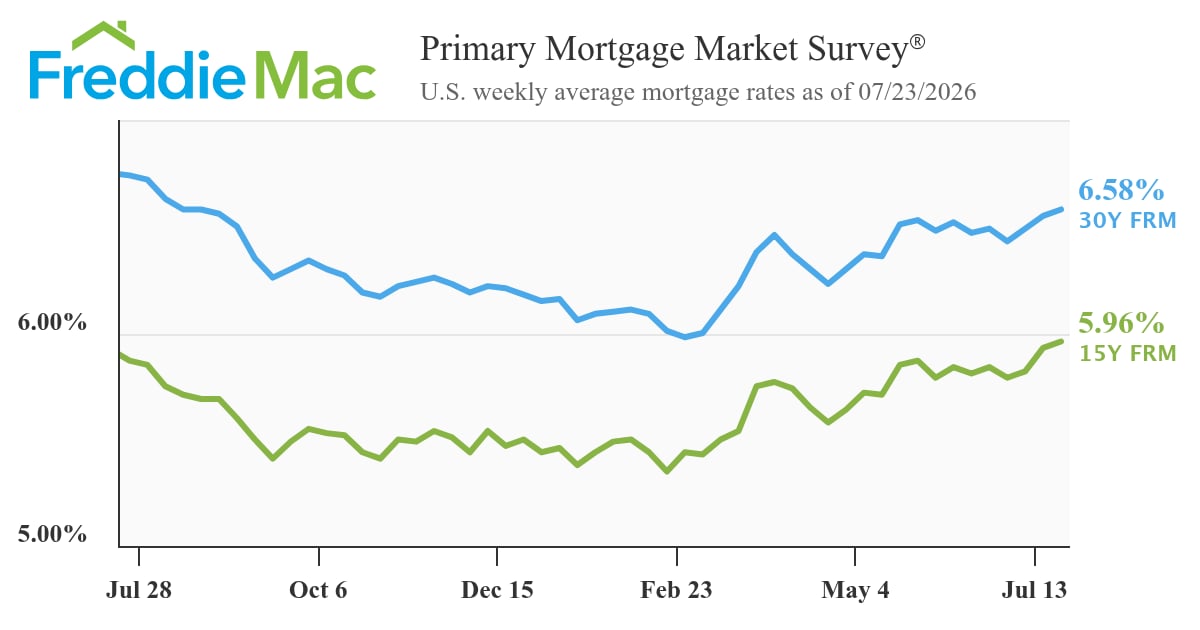
Wait or buy?

Get in Touch to Schedule a Consultation