
April 16, 2026
Buying your first home in San Jose can feel like trying to board a moving train. Homes often sell fast, competition is common, and even small timing mistakes can cost you a strong opportunity. The good news is that with the right roadmap, you can move from pre-approval to closing with more clarity and less stress. Let’s break down the process step by step.
If you are buying in San Jose, speed matters. According to Redfin’s San Jose housing market data, the median sale price was about $1.325 million in February 2026, homes averaged about 12 days on market, and many properties received around 3 offers. Redfin also reported that the average home sold about 4% above list price, while especially competitive homes sold about 10% above list and went pending in around 7 days.
That means your planning should happen before you start touring homes. In nearby markets, the pace can differ. Oakland’s Realtor.com market overview showed a slower market snapshot with a median listing price of $650,000 and 31 median days on market, while Hayward remained competitive with about 15 days on market based on Redfin’s broader local context.
Santa Clara County as a whole also remains active. Realtor.com’s Santa Clara County summary in January 2026 pointed to a median for-sale price around $1.299 million with about 2,000 listings and a 100% sale-to-list ratio. These figures come from different types of dashboards, so they are best used as directional context, not exact apples-to-apples comparisons.
Before you talk about offer price, get clear on your actual cash needs. Your down payment is only one piece of the puzzle. The Consumer Financial Protection Bureau says closing costs typically run about 2% to 5% of the home purchase price, not including the down payment.
You will also want to budget for moving expenses, early repairs, furniture, and a basic emergency reserve. In a market like San Jose, this matters because buyers often need to make decisions quickly, and you do not want to stretch so far on price that you have no flexibility left after closing.
It also helps to understand ongoing ownership costs. In California, property tax is generally limited to 1% of assessed value plus voter-approved bonds or fees. The same CFPB guidance and state resources can help you plan ahead, and California’s homeowners’ exemption may reduce taxable value by $7,000 for a qualifying owner-occupied home.
If you are worried that you need 20% down, that is not always the case. California offers programs that may help qualified buyers bridge part of the gap. The California Department of Real Estate’s First Home California page explains that CalHFA’s MyHome program offers a deferred-payment junior loan up to the lesser of 3.5% of the purchase price or appraised value, and the funds can be used for down payment and or closing costs.
For CalHFA programs, a first-time homebuyer generally means someone who has not owned and occupied a home in the last 3 years. The same page also notes that homebuyer education and counseling are required for first-time borrowers using CalHFA programs. That education can be especially helpful if this is your first time comparing financing, contingencies, and closing documents.
San Jose also points buyers to a mix of resources rather than one single solution. The City of San Jose Homebuyer Assistance page lists CalHFA, Housing Trust Silicon Valley, and Project Sentinel as local help sources.
If you are also considering East Bay locations, Alameda County has different options. The Measure A1 homeownership programs page says AC Boost may provide up to $210,000 to eligible first-time buyers who live or work in Alameda County, or who were displaced from there within the last ten years, with no monthly payments because the loan is structured as shared appreciation. Program rules and availability can change, so it is smart to verify details before building your plan around any one assistance source.
A pre-approval is one of the first serious steps in your roadmap. Sellers often want to see one before they accept an offer, especially in fast-moving markets. The CFPB’s guide to getting a pre-approval letter explains that a pre-approval is tentative, based on assumptions, and not a guaranteed loan offer.
That said, it still gives you an important working range and shows sellers you are prepared. The CFPB also notes that lenders usually check your credit before issuing a pre-approval letter, and that many letters expire in 30 to 60 days. If your search runs longer, you may need an update.
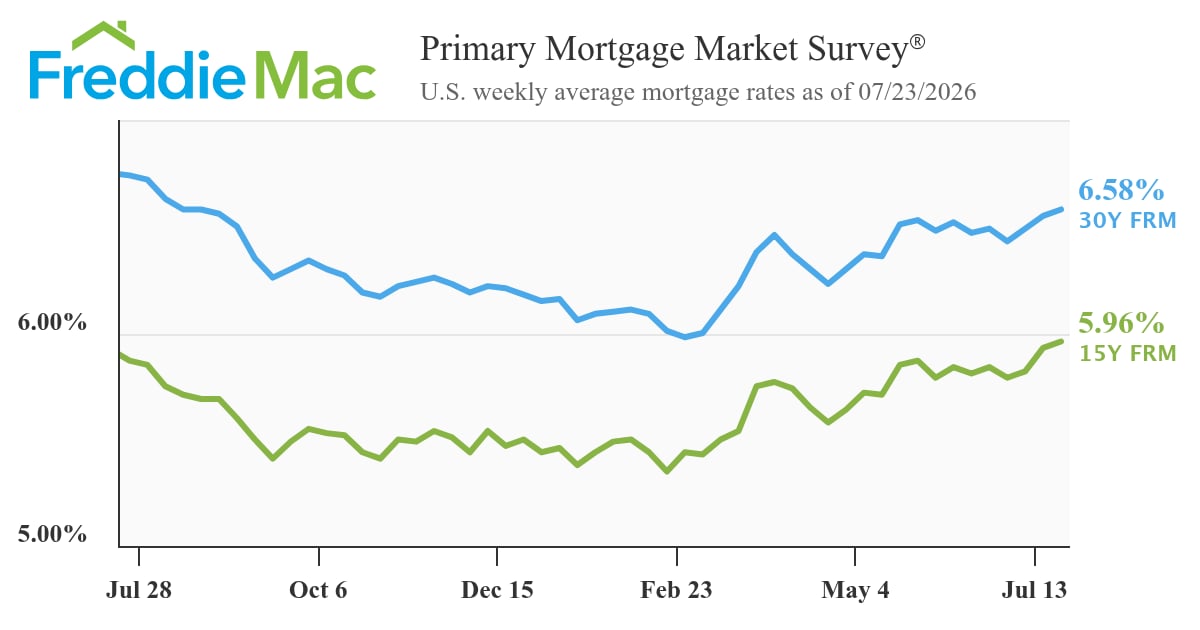
When you apply, compare lenders carefully. The CFPB says you should receive a Loan Estimate within 3 business days of application, and you can use that form to compare loan terms, rates, and fees. With Freddie Mac reporting the 30-year fixed mortgage rate at 6.37% on April 9, 2026, even small differences in rate or fees can make a meaningful difference in your monthly cost.
In San Jose, the touring window is often short. If homes are averaging around 12 days on market and hot listings can go pending in about a week, you should not treat your early tours as casual browsing. It helps to know your target price, monthly comfort zone, preferred home type, and must-have features before the first showing.
A simple touring plan can keep you focused:
This kind of preparation is where a process-driven approach can really help. Instead of reacting emotionally to every new listing, you can compare homes against a clear framework.
Once you find the right home, your offer needs to reflect both the property and the market conditions. In a market where homes may sell above list price, list price is not always the final price. A strong offer usually combines price, financing strength, timing, and clean terms.
The California Association of Realtors Residential Purchase Agreement uses 17 days after acceptance for loan, appraisal, and investigation contingencies unless the parties agree to different deadlines. CAR also notes that contingencies do not disappear automatically after 17 days. A seller can issue a Notice to Buyer to Perform, and buyers must remove contingencies in writing.
In multiple-offer situations, you may hear about buyers shortening or waiving contingencies. That can increase risk, especially for a first-time buyer. A careful strategy should balance competitiveness with your need to understand the property condition, financing, and appraisal outcome.
Once your offer is accepted, the clock starts. This is where many first-time buyers are surprised by how much happens in a short period. Your main tasks usually include inspection, appraisal, underwriting, title review, insurance, and contingency decisions.
The CFPB’s home inspection guide recommends scheduling an independent home inspection as soon as possible after choosing a home. Even if you are working on a short timeline, the inspection gives you a chance to identify major issues before the rest of the loan process gets too far ahead.
Your lender will also typically require an appraisal. If the appraised value comes in below your contract price, that can affect financing and your next steps. This is one reason your initial budget should include some flexibility, especially in a competitive area where offers may come in above asking.
As you approach the finish line, do not go into autopilot. The CFPB’s closing document checklist says lenders must provide the Closing Disclosure at least 3 business days before closing. The CFPB also recommends contacting your lender or closing agent at least a week before closing to confirm how that document will be delivered.
Compare your Closing Disclosure with your earlier Loan Estimate. Some fees cannot increase at all, and others are capped at 10%. This is one of the most important reviews in the process because it helps you catch changes before signing day.
You will also want to line up homeowners insurance and confirm title-related steps as closing approaches. The CFPB notes that closing costs usually run 2% to 5% of the purchase price, so this is when your up-front planning pays off.
If you are buying in Santa Clara County, local support may include state, county, and nonprofit pathways. San Jose’s homebuyer page highlights CalHFA, Housing Trust Silicon Valley, and Project Sentinel. It is worth checking each source directly, because assistance availability can change.
For example, the Housing Trust Silicon Valley Empower Homebuyers SCC page currently says the program is fully subscribed. That does not mean help is impossible to find, but it does mean you should verify current status before counting on a specific program.
If you are comparing locations across the Bay Area, remember that first-time buyer definitions can be similar but not identical from one program to another. Alameda County’s MCC FAQ also uses a 3-year lookback for prior ownership interest in a principal residence, which is useful context if you are exploring options beyond Santa Clara County.
If you want a practical way to think about the process, here is the roadmap:
The main takeaway is simple: in San Jose, success usually starts before the first tour. Good preparation gives you more confidence, more control, and a better chance to act quickly when the right home appears.
If you want owner-led, data-informed guidance through each step of the process, Tony Ngai can help you navigate San Jose and nearby Bay Area markets with clear communication and neighborhood-level insight.
Stay up to date on the latest real estate trends.


Real Estate
Wait or buy?


Get in Touch to Schedule a Consultation