Trying to buy your first place in Fremont can feel like a big leap. Prices move fast, neighborhoods offer very different tradeoffs, and commute options matter if you work in tech or healthcare. In this guide, you’ll get a clear picture of starter-home options, what they cost, where to look, and how to budget and compete with confidence. Let’s dive in.
What counts as a starter home
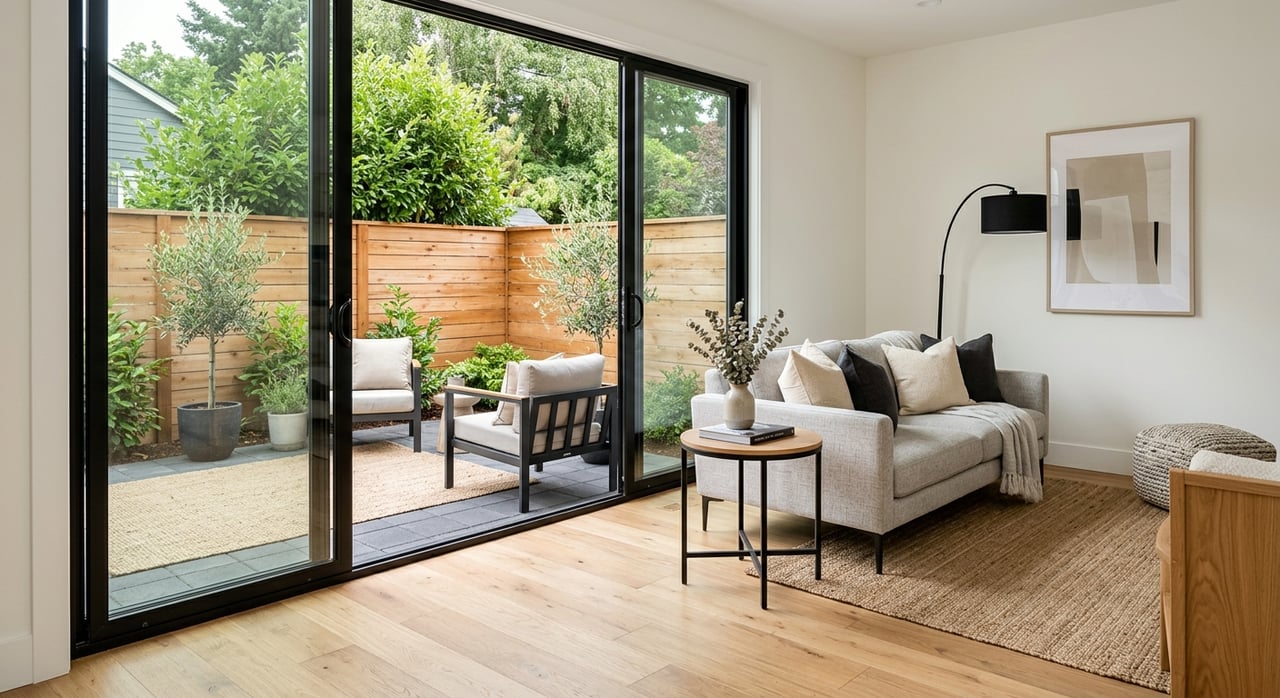
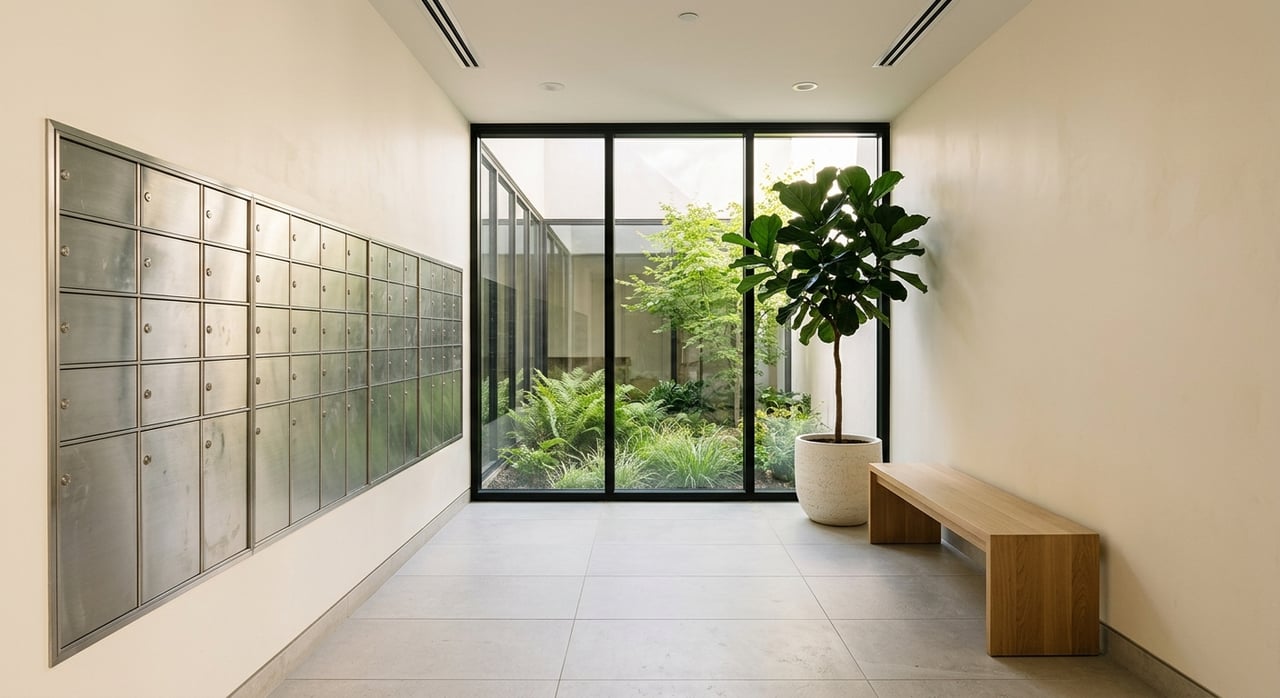
In Fremont, most first-time buyers start with a condo or townhome. These homes trade private yard space for a lower price and easier maintenance. Some buyers target small single-family homes, but those are limited and usually command a premium.
- Condos and townhomes: Many listings and recent comps fall in the $400,000 to $900,000 range. Redfin reported a median condo list price near $620,000 in Feb 2026 (Zillow and Realtor.com snapshots can vary).
- Entry townhomes or 2-bed attached homes: Typically about $600,000 to $1.1M, depending on age, location, and HOA.
- Small single-family homes: Fremont’s citywide median sale price hovered around $1.5M on Redfin in Feb 2026, while Zillow and Realtor.com showed medians roughly $1.25M to $1.48M depending on list vs. sold timing. In practice, starter single-family options often start near $1M+, and sub-$1M is uncommon.
Why numbers differ: each source tracks different data at different times. Use Redfin for sold-price medians and Zillow/Realtor.com for active listing medians, then verify live with your agent.
Where to look in Fremont
Mission San Jose
Buy here if you want established neighborhoods and strong resale fundamentals. Public school performance in this area is widely noted by third-party school data sites, which often influences pricing. Expect older single-family homes on larger lots and fewer entry-level prices.
Irvington and Downtown Fremont
You’ll find a mix of older single-family homes and newer townhomes, with a more walkable feel near services and dining. This area offers balanced options for commuters who want downtown amenities. Inventory changes quickly, so keep an eye on new condo and townhome releases.
Centerville and Niles
These historic and classic Fremont areas include pockets of smaller cottages and bungalows that can be more accessible than Mission San Jose. Niles has a distinct historic district feel. If single-family is your goal at the lowest possible price point, start your search here and move fast on good fits.
Warm Springs and Ardenwood
You’ll see newer condos and townhomes and closer access to I-880 and the Warm Springs BART station. This is one of the most reliable places to find first-time-buyer inventory. It can be a smart choice if you split time between South Bay and Peninsula job sites.
Commute and lifestyle tradeoffs
Fremont connects well across the Bay Area, which helps if you work in tech, healthcare, or education.
- Average commute: Fremont residents’ average one-way commute is about 30.3 minutes, per the latest U.S. Census QuickFacts for Fremont. Your time will vary by route and schedule.
- To San Francisco: BART is the most consistent transit option to downtown SF. Door-to-door travel typically lands in the 45 to 60+ minute band to central stations. Use the BART Trip Planner to check times from your nearest station.
- To the Peninsula: Many drive I-880 to the Dumbarton Bridge, or mix BART/Caltrain with shuttles. Off-peak can be 25 to 40 minutes; peak can stretch to 45 to 90 minutes. The Dumbarton Express links Union City/Ardenwood to Palo Alto and Stanford during commute hours.
- Local healthcare: Kaiser Permanente Fremont Medical Center and Washington Hospital serve as major local employers. If you work at either campus, nearby neighborhoods can cut commute time dramatically.
Tip: Before you write an offer, run a live commute test at your actual travel times. Check HOV/carpool options and tolls for the Dumbarton Bridge if you’ll drive to the Peninsula.
What to budget beyond the price
Your monthly payment is only part of the picture. Plan for these common costs:
- Down payment: Conventional loans often target 20% to avoid PMI, but low-down options exist. The state’s CalHFA MyHome Assistance Program offers deferred down-payment and closing-cost help when paired with a CalHFA-approved first mortgage. Check eligibility, income limits, and lender rules.
- Closing costs: Include lender fees, title and escrow, prepaid taxes and insurance, and daily interest. Assistance programs may cover part, subject to limits.
- Property taxes: California’s base ad valorem property tax is 1% of assessed value. In Alameda County, local voter-approved bonds and assessments add to your bill, so totals vary by address. Review the county’s guidance on the Alameda County Treasurer-Tax Collector site and verify the tax-rate area for a specific property.
- HOA dues: Many Fremont condos and townhomes carry $300 to $700 per month in dues, depending on amenities and building age. Always review HOA reserves, rules, and recent special assessments before you commit.
- Insurance, utilities, and maintenance: Budget for homeowners insurance, utilities, and a maintenance reserve. Older single-family homes may need larger repair buffers.
Local buyer assistance to explore
- CalHFA MyHome Assistance Program: A deferred junior loan for down payment and/or closing costs, subject to program limits and income caps. Start with the official CalHFA MyHome page and a CalHFA-approved lender.
- Alameda County AC Boost: A county down-payment/shared-appreciation loan for eligible buyers who live or work in Alameda County, subject to application windows and selection processes. See the official details at AC Boost.
- City of Fremont Below-Market-Price (BMP) homes: The City periodically offers limited below-market homes for income-eligible first-time buyers. Application cycles and eligibility rules change, so contact the City’s Housing Division and join the interest list to receive updates.
Stacking rules, income limits, and application windows change. Get pre-approved early so you can act when a window opens.
Smart search and touring tips
- Test your commute: Drive the route and try the BART trip you would take for work. Confirm first/last-mile options and employer shuttles.
- Condos and townhomes: Ask for HOA documents up front. Read CC&Rs, reserve studies, recent meeting minutes, and any special assessments.
- Inspect key systems: For older homes, pay close attention to foundation and soil movement, roof age, drainage and grading, and any deferred maintenance.
- Look past staging: Focus on layout, natural light, storage, parking, noise, and cell/internet reliability if you work from home.
Making a competitive, sensible offer
- Get fully pre-approved: Go beyond pre-qualification. A strong approval package signals readiness and helps with assistance programs.
- Price strategy: If a home has multiple offers, consider an escalation clause or a clean, over-ask offer within your max budget. Use recent comps and micro-neighborhood guidance.
- Appraisal gap plan: If you bid above list, decide in advance how you would handle a potential appraisal shortfall.
- Contingencies: Keep an inspection contingency unless you have a high tolerance for risk and a repair budget. Shorter, not missing, contingencies often strike a better balance for first-time buyers.
- Earnest money clarity: Know how much you will deposit and the exact conditions for a refund if you exit under a contingency.
How to align your plan with reality
- Run two affordability scenarios: a low-down option with PMI or assistance, and a 20% down option that trades cash for lower monthly costs. Compare payment, cash-to-close, and reserves.
- Choose product first: If your budget is under $1M, focus on condos and townhomes in Warm Springs, Ardenwood, and Irvington/Downtown to maximize choices.
- Prioritize by need: If commute is critical, anchor near BART or your bridge route. If you plan to start a family later, consider townhomes with flexible layouts and nearby parks.
- Move quickly, not rashly: Good starter homes draw multiple offers. Prepare documents early, tour fast, and keep inspection protections that match your comfort level.
Ready for next steps?
If you want a clear, data-informed path to your first home in Fremont, we can help you compare neighborhoods, price bands, and commute tradeoffs, and we can walk you through CalHFA and AC Boost options. We offer bilingual service in Cantonese and Mandarin and a step-by-step process to keep you confident from pre-approval to keys. Request your free neighborhood market report and home valuation, or reach out to Tony Ngai to start a focused first-time-buyer plan.
FAQs
What is a typical Fremont starter-home price in 2026?
- Condos and townhomes often range from about $400,000 to $900,000, while small single-family homes frequently start near $1M+ (city median sale price was around $1.5M on Redfin in Feb 2026; Zillow and Realtor.com showed medians about $1.25M to $1.48M depending on timing).
Which Fremont neighborhoods are best for first-time buyers?
- Warm Springs and Ardenwood often have the most condo and townhome options; Irvington/Downtown offers a mix with more walkable amenities; Centerville/Niles can be better for smaller single-family homes at relatively lower prices than Mission San Jose.
How do HOA dues affect my monthly cost in Fremont?
- Many condos and townhomes carry $300 to $700 per month in dues, which cover shared insurance, maintenance, reserves, and amenities; always review the HOA’s budget, reserves, and recent assessments to avoid surprises.
How long is the commute from Fremont to San Francisco or Palo Alto?
- BART rides to downtown SF typically run 45 to 60+ minutes, while driving to the Peninsula via Dumbarton Bridge can vary from 25 to 40 minutes off-peak and 45 to 90 minutes in rush hour (use the BART Trip Planner and Dumbarton Express schedules to test your exact route).
What down-payment help is available in Alameda County?
How do property taxes work on a first home in Fremont?
- California’s base property tax is 1% of assessed value, with additional voter-approved assessments by area; check the Alameda County Treasurer-Tax Collector resources and the specific tax-rate area for any address you are considering.