
April 23, 2026
If you are getting ready to sell in Santa Clara, one question matters more than almost anything else: how do you price your home to attract strong interest without leaving money on the table? In a market that can move fast, the answer is rarely about picking the highest number and hoping buyers negotiate down. It is about matching the right price with the right presentation so your home stands out early, creates urgency, and earns serious offers. Let’s dive in.
Pricing and positioning are not two separate decisions. In Santa Clara, they work as one system.
Your list price sets expectations for buyers the moment your home hits the market. Your positioning, including staging, photography, floor plan, and overall presentation, gives buyers a reason to click, schedule a tour, and write an offer. When those two pieces line up, you give your home the best chance to perform well in the first few days.
That matters because Santa Clara remains a seller-leaning market, but buyers are still selective. According to Redfin’s Santa Clara housing market data, the median sale price in March 2026 was $1.624M, homes sold in a median of 9 days, and the average home received 4 offers. At the same time, 27.8% of homes had price drops, which is a good reminder that even strong markets can punish overpricing.
The first thing to know is that headline numbers can vary depending on the source. That does not mean the data is unreliable. It means each source captures a slightly different slice of the market.
For example, Realtor.com’s Santa Clara market overview reported a $1.54M median listing price and 23 median days on market in February 2026, while Zillow’s Santa Clara city page showed an average home value of $1.782M, an $1.676M median sale price, and 11 days to pending as of March 31, 2026. These numbers are not contradictory. They reflect different timeframes, property mixes, and methodologies.
The practical takeaway is simple: you should not price your home based on one headline stat alone. A smart pricing strategy uses current city trends, your property type, your zip code, and the most recent comparable sales.
Santa Clara is not one uniform market. Single-family homes and attached homes often behave differently.
According to MLSListings city data for March 2026, single-family homes had a median sale price of $2.035M, with 45 homes sold and a 7-day median days on market. Condos and townhomes averaged $830K and had 53 active listings. That gap matters because buyers shop differently in each segment, and your pricing strategy should reflect that.
If you own a condo or townhome, you may need to be even more precise. In some attached-home segments, buyers have more choices and may take longer to act. The same MLS data shows that in zip code 95051, condos and townhomes had a $937,500 median sale price and a 36-day median days on market, which is much slower than the single-family segment.
Even within Santa Clara, pricing can shift meaningfully by zip code.
MLSListings zip-level data shows that in March 2026, single-family homes in 95051 had a median sale price of $2.215M and a 7-day median days on market. In 95054, the median was $2.035M with 8 median days on market. In 95050, the median was $1.95M with 11 median days on market.
This is why broad city averages can only take you so far. If your home is in 95051, pricing off a citywide average may miss the mark. The same is true if you are selling an attached home in a part of Santa Clara where buyers are moving more cautiously.
A good pricing strategy starts with the most relevant comparable sales, not wishful thinking. In most cases, the strongest comp set is the last 60 to 90 days of sold homes in the same zip code, the same property type, similar square footage, similar lot size, and a similar condition or renovation level.
That approach makes sense in Santa Clara because the local data shows real variation by location and property type. A remodeled single-family home in 95051 should not be priced the same way as a dated home in another zip code, and a townhome should not be benchmarked against detached homes.
In practical terms, your pricing should answer three questions:
When you price from the evidence, you make it easier for buyers to see value quickly. That can help generate stronger early traction, which is often where the best outcomes begin.
Many sellers ask whether they should price above the latest comparable sale to create room for negotiation. In Santa Clara, that strategy deserves caution.
Recent market data suggests buyers are active, but not careless. Redfin reports that 27.8% of homes had price drops, while Zillow shows that 29.9% of sales closed under list price. That tells you buyers are paying attention to value, even in a competitive market.
The sold examples also show how outcomes can vary. Redfin’s recently sold feed includes homes that sold 14% over list after 24 days, 6% over list after 36 days, right at list after 6 days, and 1% under list after 124 days. The lesson is not that one strategy always wins. It is that condition, preparation, and launch price all interact.
If a home starts too high, it can miss the first wave of serious buyers. Once that early momentum fades, the listing may sit longer, and the market can start to question it.
Today’s buyers are highly digital, and that changes how your listing needs to perform.
According to the National Association of Realtors 2024 buyer and seller highlights, 43% of buyers started their search online, 51% found the home they purchased online, and 69% used a mobile phone or tablet during the search. The same report found that buyers typically searched for a median of 10 weeks and viewed seven homes, with two viewed online only.
That means your listing has to make a strong impression fast. Buyers are comparing homes on their phones, often in a matter of seconds. If your price feels disconnected from the photos, condition, or overall value, they may simply move on.
Pricing gets buyers to notice your home. Positioning gives them a reason to care.
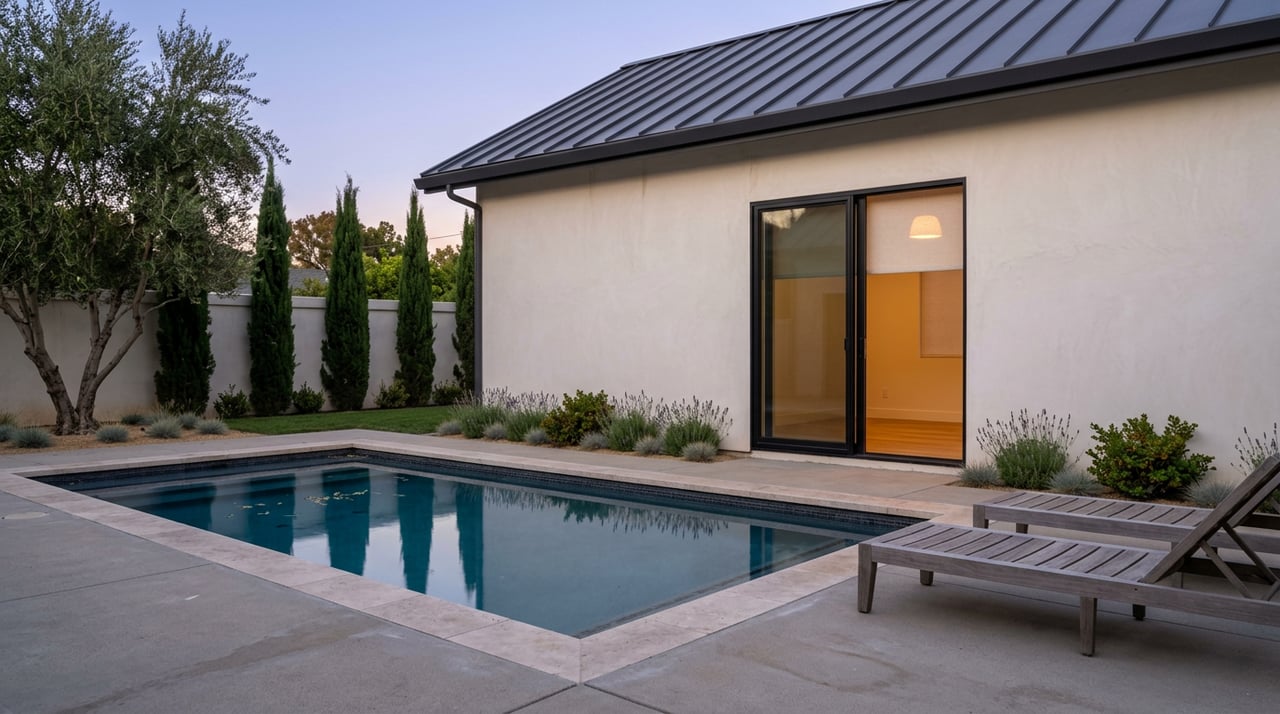
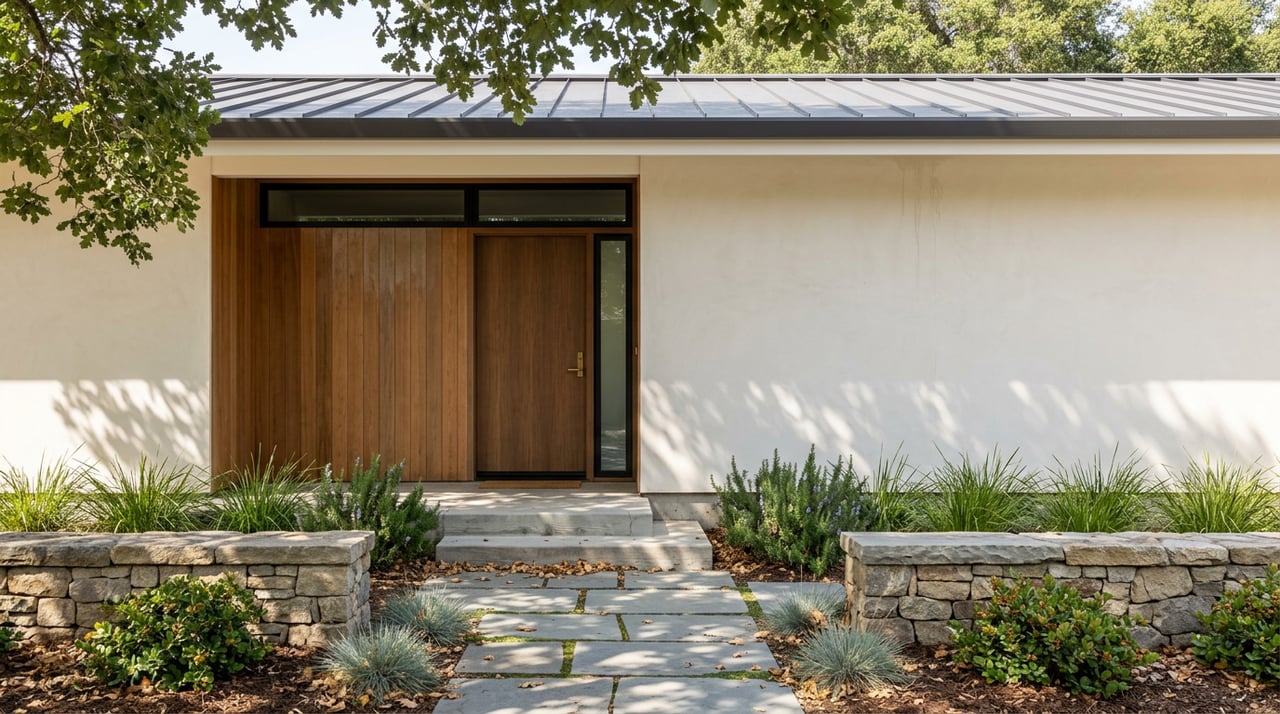
Online presentation is one of the strongest tools you have. NAR’s 2025 online visibility guidance says 81% of buyers rated listing photos as the most useful feature during an online home search, and the 2024 NAR buyer-and-seller report found that 41% of buyers considered photos very useful. Zillow’s 2025 consumer research also ranked floor plans first and high-resolution photos second among the most important listing features.
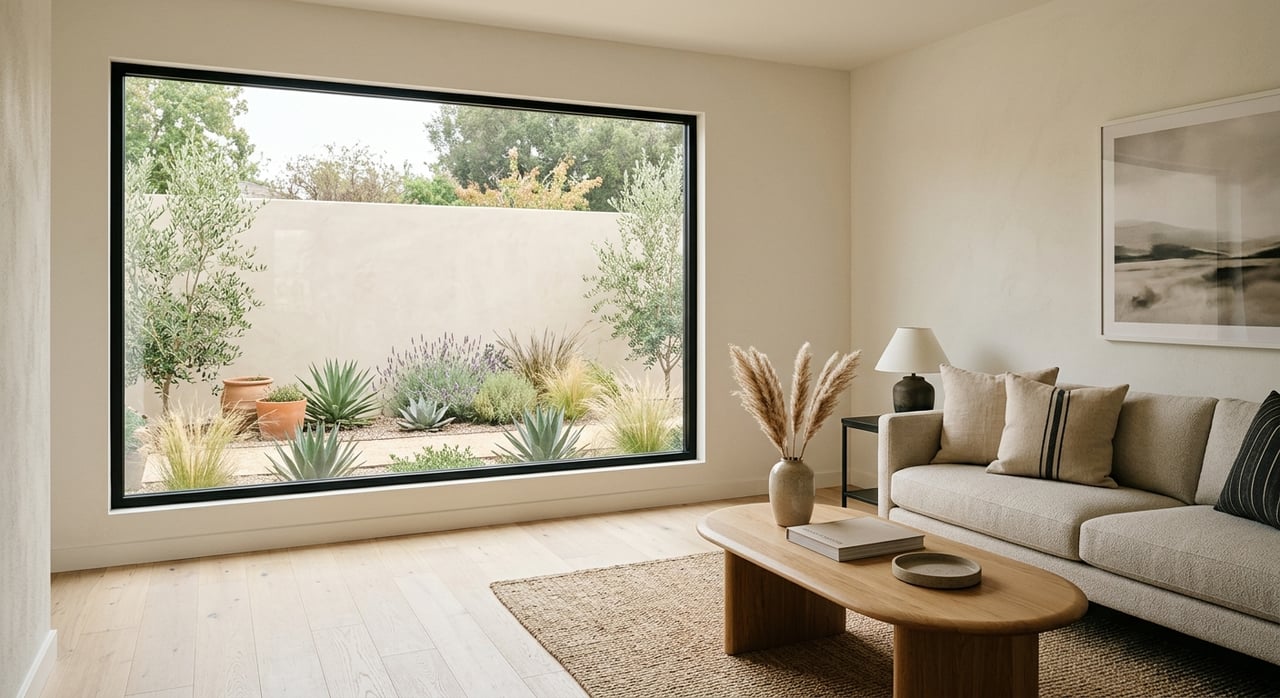
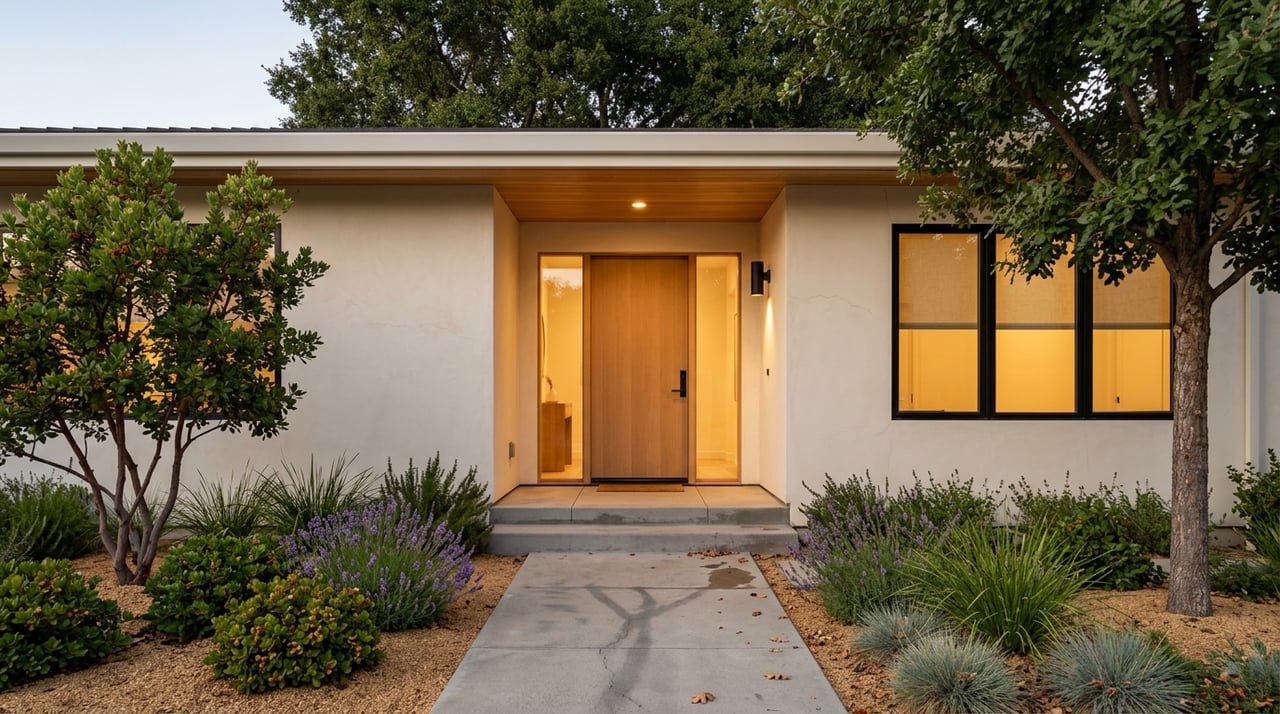
For sellers, that supports a simple strategy: prepare the home before it goes live, invest in strong visuals, and make sure the listing tells a clear story. Your home does not need to look generic. It needs to look clean, bright, well-maintained, and easy for buyers to understand.
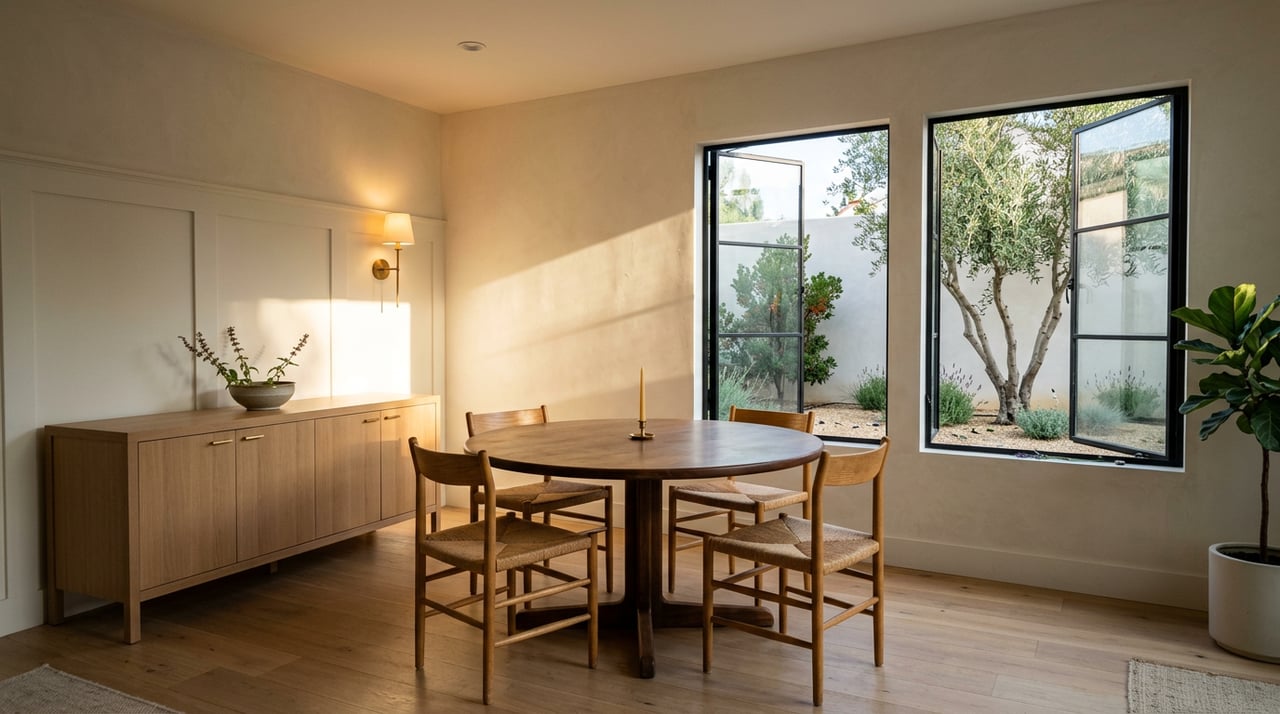
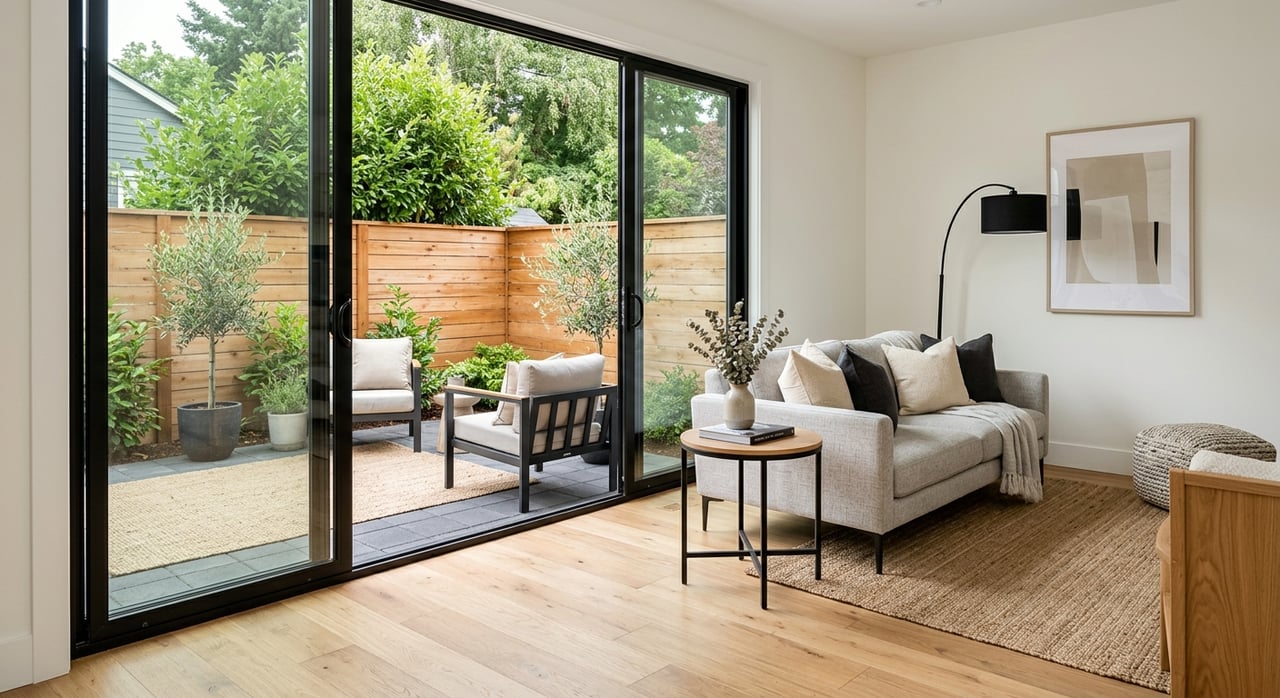
Staging is often one of the most practical ways to strengthen your home’s positioning. It does not have to mean a full luxury install in every case, but it should help buyers understand the space quickly.
According to the NAR 2025 staging report, 29% of agents said staging increased offered value by 1% to 10%, 49% said it reduced time on market, and 83% said it made it easier for buyers to visualize the property as their future home. The rooms identified as most important to stage were the living room, primary bedroom, and kitchen.
That is useful for Santa Clara sellers because many buyers are moving quickly and making short-list decisions online. If your home is occupied, targeted decluttering and micro-staging in the highest-impact rooms may be enough. If your home is vacant or dated, fuller staging may make a stronger case.
When you are preparing to sell, think about launch quality as much as price. A strong launch helps your home compete from day one.
A solid listing presentation often includes:
This approach lines up with buyer behavior. The NAR staging report found that buyers’ agents rated photos, physical staging, videos, and virtual tours as highly important to clients. In a fast-moving market like Santa Clara, those details can influence whether buyers schedule a showing right away or scroll past.
If you want the short version, here it is: price from the evidence, then present the home so buyers feel urgency.
That usually means avoiding the temptation to test the market with an inflated number. It also means not relying on market strength alone to carry a mediocre presentation. The strongest sales strategy in Santa Clara is often the one that respects how local buyers actually shop, compare, and decide.
Because Santa Clara can vary by zip code, property type, and condition, a home-specific analysis matters. That is where a detailed home valuation and neighborhood-level review can help you decide whether your best move is sharper pricing, stronger staging, better visuals, or all three together.
If you are planning a sale and want a data-driven strategy tailored to your home, Tony Ngai can help you review local comps, evaluate positioning opportunities, and build a launch plan that fits the Santa Clara market.
Stay up to date on the latest real estate trends.
Real Estate
Wait or buy?

Get in Touch to Schedule a Consultation