
December 4, 2025
Trying to choose between a condo, a townhome, or a single‑family house in Sunnyvale? You are not alone. Each option looks similar on the surface, but the legal structure, financing, insurance, and day‑to‑day lifestyle can feel very different once you own it. In this guide, you will learn how each type works in California, what costs to expect, how Sunnyvale’s market affects your decision, and a simple framework to pick the best fit. Let’s dive in.
A condominium is a legal form of ownership. You own the interior of your unit and share ownership of the land, exterior, roof, and amenities with other owners in the community. In California, most condos are part of a Common Interest Development governed by an HOA under the Davis‑Stirling Act. You will follow community rules and pay monthly dues that fund exterior upkeep, insurance on common areas, and reserves.
In practice, condos are often in low‑ or mid‑rise buildings with shared entries. You have less exterior maintenance, which many buyers like. You typically buy an HO‑6 insurance policy for your interior and personal property, while the HOA’s master policy covers the exterior and shared areas.
A townhome describes a style, not a single legal form. Many townhomes look like attached row homes with a private entry and garage. In California, a townhome can be legally a condo within an HOA, or it can be fee‑simple ownership of the home and lot within a planned community. Your responsibilities depend on the CC&Rs. In some communities, the HOA maintains the exterior and roof. In others, you do.
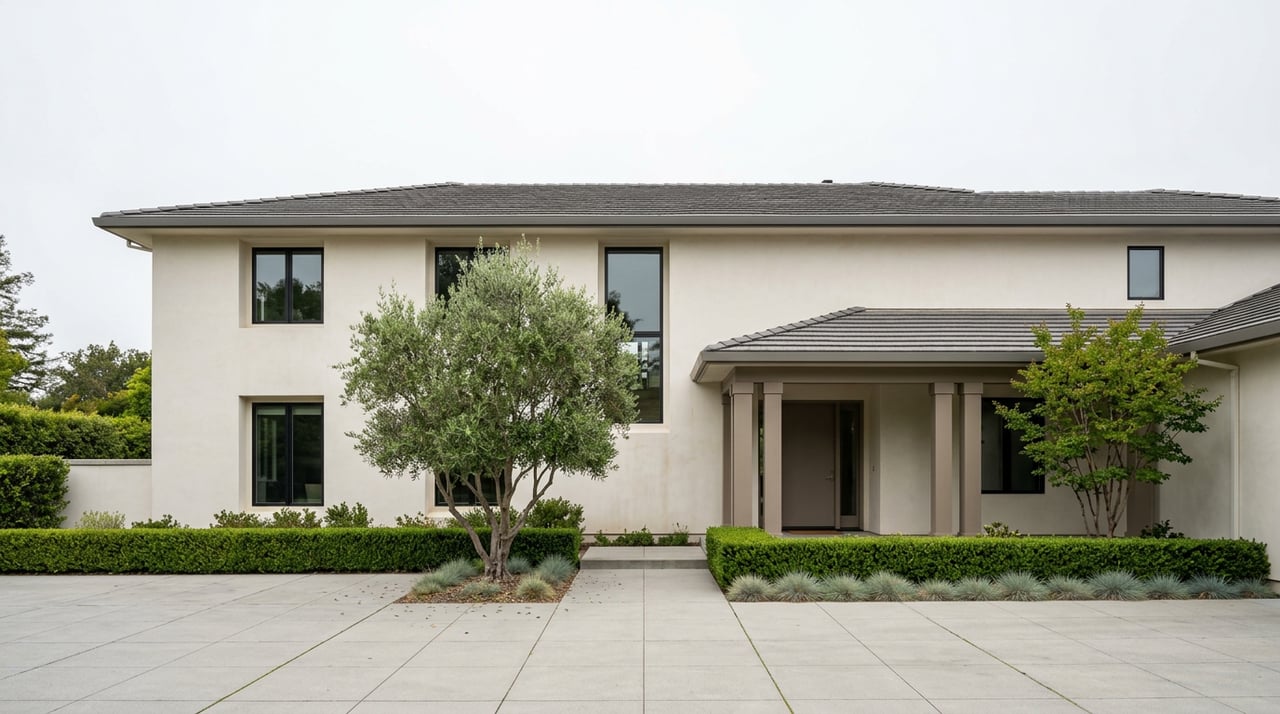
Lenders will classify a townhome by its legal form. If it is a condo, condo lending rules apply. If it is fee simple in a planned unit development, it is often underwritten similar to a single‑family home.
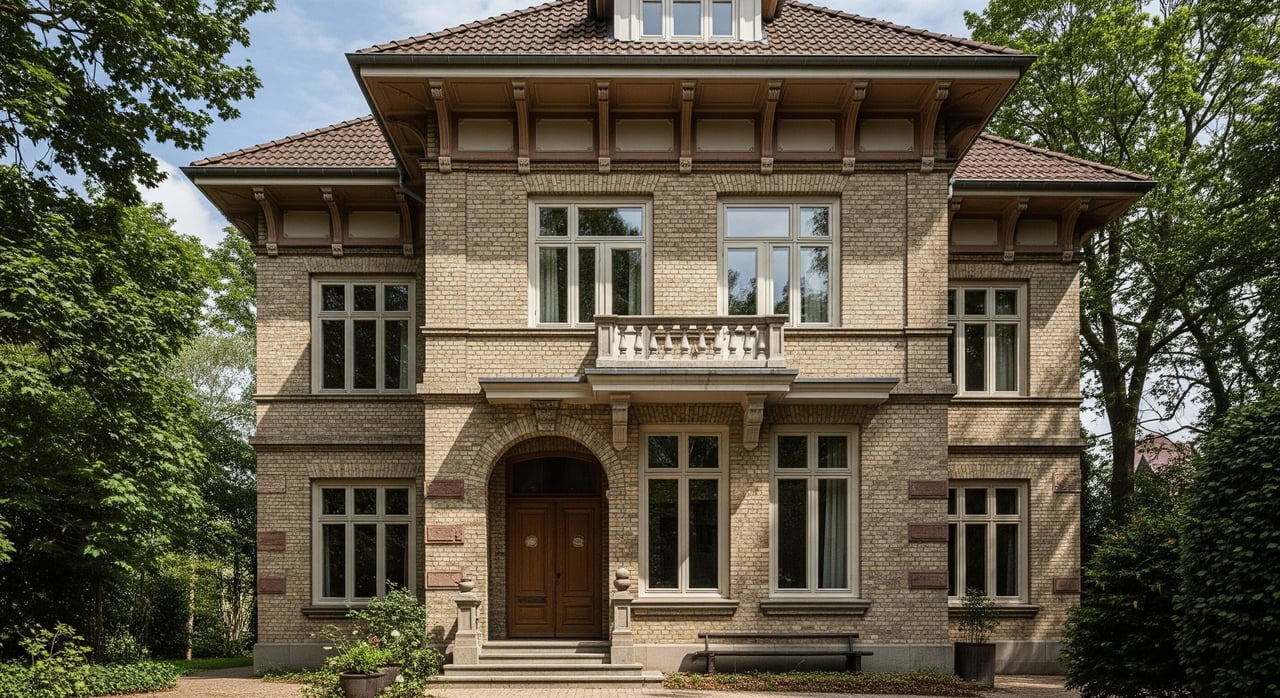
A detached house is usually fee‑simple ownership of both the land and the structure. You control your exterior and yard, subject to city rules and any HOA guidelines if your neighborhood has one. You will take on all exterior maintenance and carry a homeowner’s policy that covers the structure. Many buyers choose houses for privacy and flexibility to improve the property over time with the right permits.
Sunnyvale sits in the heart of Silicon Valley. Major employers nearby create steady housing demand, while limited land and established neighborhoods keep detached homes scarce. That scarcity often pushes prices for single‑family homes higher compared with attached options.
Transit access adds value. Caltrain and VTA light rail serve key corridors, and homes near stations can see strong demand from commuters. You can explore transit routes and service updates through Caltrain and VTA. Zoning and redevelopment efforts also matter. Parts of the city support higher‑density housing, which can expand the condo and townhome supply. For active plans, development maps, and policy updates, visit the City of Sunnyvale.
If you want a lower‑maintenance lifestyle close to transit and downtown amenities, a condo or townhome could be a better fit. If you want a yard, more privacy, and long‑term flexibility, a house may be worth the higher cost of entry.
California’s Proposition 13 sets a base property tax of roughly 1% of assessed value, plus local voter‑approved assessments and parcel taxes. Actual bills vary by parcel, and some neighborhoods include special assessments. You can verify parcel‑specific details with the Santa Clara County Assessor.
Condos and many townhomes have monthly dues that fund exterior maintenance, insurance on common areas, landscaping, amenities, and reserves. Dues vary widely by community. HOAs can also levy special assessments for big projects like roofing, seismic upgrades, or deferred maintenance. California requires sellers to provide HOA disclosures, including budgets and reserve studies, so you can review the financial health before you buy.
All three property types can work with conventional financing. FHA and VA loans are possible too, but condos require project‑level approval for those programs. Some older or smaller condo communities are not FHA‑approved, which can affect your loan options and future resale. You can check a community’s status in the HUD/FHA condo approval database.
Lenders also look at HOA financials. If the HOA has low reserves or high delinquency, some lenders may require larger down payments or impose other conditions. For townhomes, underwriting depends on whether the property is legally a condo or fee simple in a planned unit development.
Pros:
Cons:
Pros:
Cons:
Pros:
Cons:
Detached homes usually attract the widest buyer pool. Condos and townhomes can resell well when the HOA is well‑run, funded, and free of major issues. Community financials, reserve studies, insurance coverage, and any litigation history are key drivers of value.
If you plan to rent the property, review rental rules in the CC&Rs for condos and townhomes. Some communities cap the number of rentals or limit short‑term rentals. Local supply and demand often track job growth and transit access, so attached homes near stations can draw steady tenant interest. For broader context on housing stock and tenure patterns, you can explore the U.S. Census American Community Survey.
Use this quick framework to narrow your fit:
Set yourself up for a smooth closing with this checklist:
Buying in Sunnyvale is a big decision, especially when you are choosing among condos, townhomes, and houses. A clear plan, a careful read of HOA and city records, and tailored financing can make the difference between a good fit and a costly surprise. If you want a bilingual, data‑driven guide who knows Sunnyvale micro‑markets and can walk you through each step, connect with Tony Ngai. Request your free neighborhood market report and home valuation, and get a side‑by‑side plan that matches your goals.
Stay up to date on the latest real estate trends.

Real Estate
Wait or buy?
Get in Touch to Schedule a Consultation